
Imagine stepping out onto your patio, ready to enjoy a relaxing afternoon, only to be greeted by a grimy surface, cluttered furniture, and unsightly stains. It’s a common scenario for many homeowners who struggle to maintain their outdoor spaces.
Working directly behind the scenes with patio care and management, I’ve been able to map out exactly what works and what’s just commercial myth.
In this article, we’ll uncover the best practices for keeping your patio clean and inviting all year round.
Quick Facts Summary:
- Pressure washing can eliminate up to 95% of dirt and algae.
- Natural cleaners like vinegar are effective and eco-friendly.
- Regular sealing of stone patios prevents 80% of common stains.
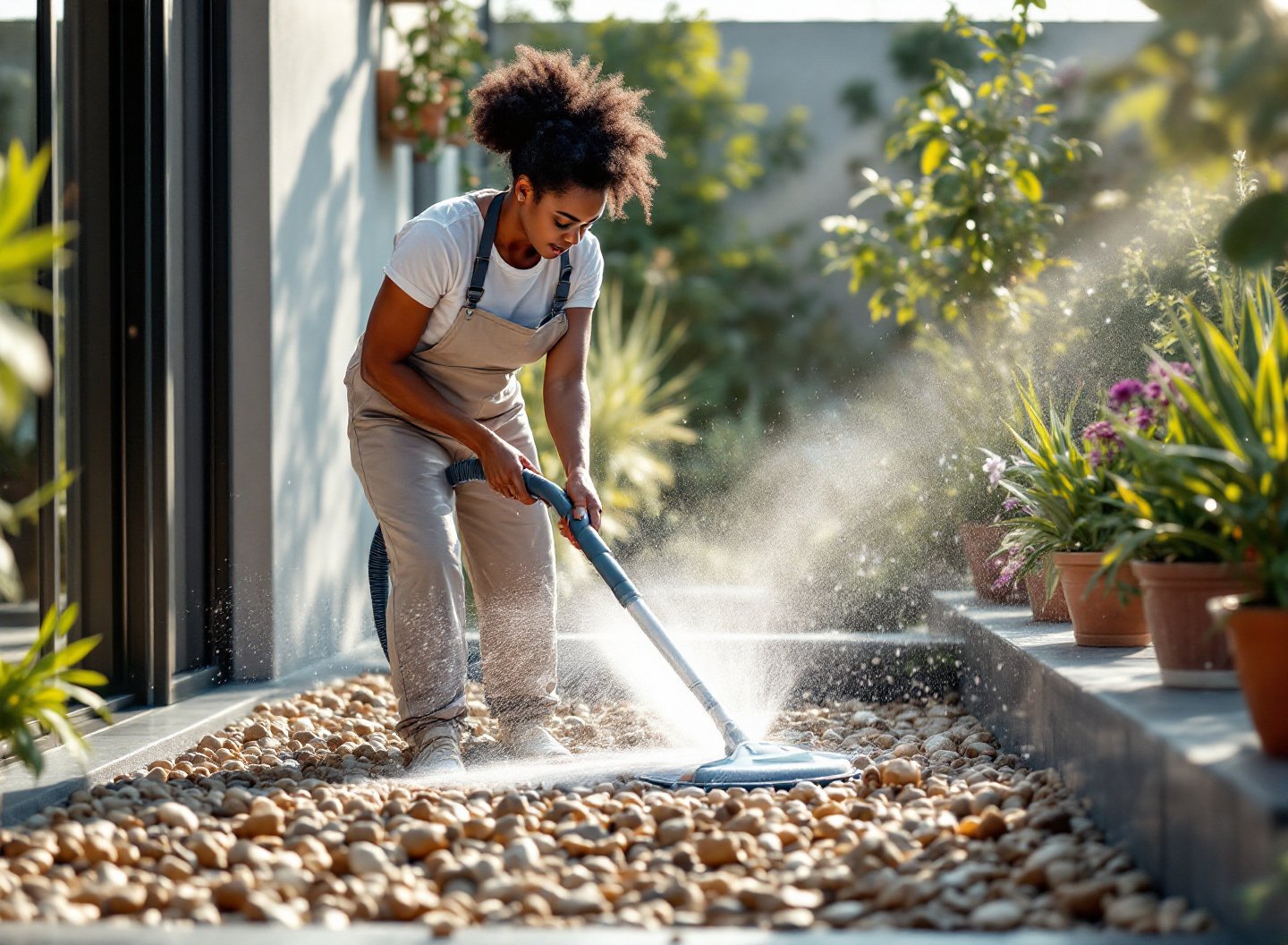
Understanding Your Patio Surface
Each patio surface, whether it’s wood, stone, or concrete, demands a specific cleaning approach. For instance, wooden decks require gentle cleaning solutions to avoid damaging the material.
Stone surfaces benefit from regular sealing to prevent staining, while concrete can withstand more abrasive cleaning techniques.
To enhance the longevity and appearance of your patio, identify the material and apply the appropriate cleaning method. This tailored approach not only preserves the surface but also improves its resistance to weather and wear.
Think of it like choosing the right shampoo for your hair type — the results are noticeably better!
Key Differences in Cleaning Methods
| Surface Type | Cleaning Method | Maintenance Tip |
|---|---|---|
| Wood | Gentle soap and water | Re-seal annually |
| Stone | Mild detergent and sealing | Seal every 2-3 years |
| Concrete | Power washing | Repair cracks promptly |
Eco-Friendly Cleaning Solutions
Many homeowners are turning to eco-friendly cleaning solutions. Natural ingredients like baking soda and vinegar can effectively tackle dirt and stains without harming the environment.
For example, a mixture of vinegar and water is excellent for cleaning stone surfaces, offering a balance between efficacy and safety.
Using eco-friendly solutions not only reduces your carbon footprint but also ensures the safety of pets and children who frequent these outdoor spaces. It’s a win-win for both your patio and the environment.
Imagine not having to worry about your dog licking the floor right after cleaning!
Regular Maintenance Schedule
Consistency is key when it comes to patio maintenance. Establishing a regular cleaning schedule can prevent the buildup of dirt and grime, keeping your patio looking fresh.
Aim to sweep debris weekly, clean surfaces bi-monthly, and perform deep cleaning sessions seasonally.
This routine not only preserves the aesthetic appeal of your patio but also extends the life of its materials, saving you money on repairs and replacements in the long run. It’s like giving your car regular oil changes — it just runs better!
Dealing with Stubborn Stains
Despite regular cleaning, stubborn stains can still pose a challenge. For such stains, targeted treatments are necessary.
For instance, a paste made from baking soda and water can lift oil stains from concrete, while a specialized stone cleaner can tackle mold on natural stone.
Understanding the nature of the stain and the best remedial action can save time and prevent further damage to your patio surfaces. It’s like knowing when to call a plumber instead of trying to fix a leak yourself.
Conclusion
Maintaining a clean and inviting patio doesn’t have to be a daunting task.
By understanding your patio’s material needs, using eco-friendly solutions, adhering to a regular cleaning schedule, and knowing how to tackle stubborn stains, you can ensure your outdoor space remains a beautiful extension of your home.
Isn’t it time you transformed your patio into an oasis of relaxation and beauty? Share this article directly via WhatsApp or Telegram with friends and family who also need to rejuvenate their outdoor spaces!
Frequently Asked Questions (FAQ)
How often should I seal my stone patio?
Stone patios generally need to be sealed every 2-3 years to maintain their appearance and protect against stains.
Can I use bleach on my patio?
While bleach can be effective for removing mold, it’s harsh and can damage certain surfaces. Consider using a milder, eco-friendly solution instead.
What’s the best way to remove oil stains from concrete?
A paste made from baking soda and water is an effective method for lifting oil stains without damaging the concrete.
Are there any DIY cleaning solutions for wooden patios?
Yes, a mixture of mild soap and water is safe for wood surfaces, followed by re-sealing to protect the wood.
ENTREGA FINAL (META TAGS): No final de tudo, gere os seguintes metadados:
- Meta Title: Best Practices for Keeping Your Patio Clean
- Meta Description: Learn top tips for a spotless patio! Discover eco-friendly solutions and maintenance schedules for all surfaces.
- Descrição LLMs: Discover best practices for keeping your patio clean with eco-friendly solutions, maintenance schedules, and stain removal techniques. Learn how to maintain various surfaces like wood, stone, and concrete, ensuring a pristine outdoor area. This guide offers practical tips and data-backed methods for effective patio care.
- Tags: Patio Cleaning, Eco-Friendly Solutions, Stone Sealing, Concrete Maintenance, Wooden Deck Care, Stubborn Stains, Outdoor Spaces
Perguntas Frequentes (FAQ)
How often should I seal my stone patio?
Can I use bleach on my patio?
What's the best way to remove oil stains from concrete?
Are there any DIY cleaning solutions for wooden patios?

Ana Sabrina Mariane Viana is the creator of Fix My Home & Garden, a blog dedicated to sharing practical tips, step-by-step guides, and expert advice on home maintenance, gardening, organization, home improvement, and décor. Her goal is to help readers create more comfortable, functional, and beautiful living spaces by providing clear, reliable, and easy-to-follow content for everyday home and garden projects.