
Why Is My Air Conditioner Running but Not Cooling the House?
As the summer heat sets in, many homeowners rely on their air conditioners to provide a cool and comfortable living environment. However, it can be incredibly frustrating to discover that your air conditioner is running but not cooling your house as it should. This issue can stem from various factors, and understanding the potential causes is crucial for effective troubleshooting and repair. In this comprehensive guide, we will explore the common reasons why this problem occurs, practical steps you can take to address it, and tips to maintain your HVAC system for optimal performance.
Understanding Your Air Conditioning System
To effectively troubleshoot your air conditioner, it’s essential to understand how it operates. An air conditioning system consists of several components that work together to cool your home:
- Compressor: The heart of the system, which pumps refrigerant through the system.
- Evaporator Coil: Absorbs heat from the indoor air, cooling it down.
- Condensing Coil: Releases the absorbed heat outside.
- Expansion Valve: Regulates refrigerant flow into the evaporator coil.
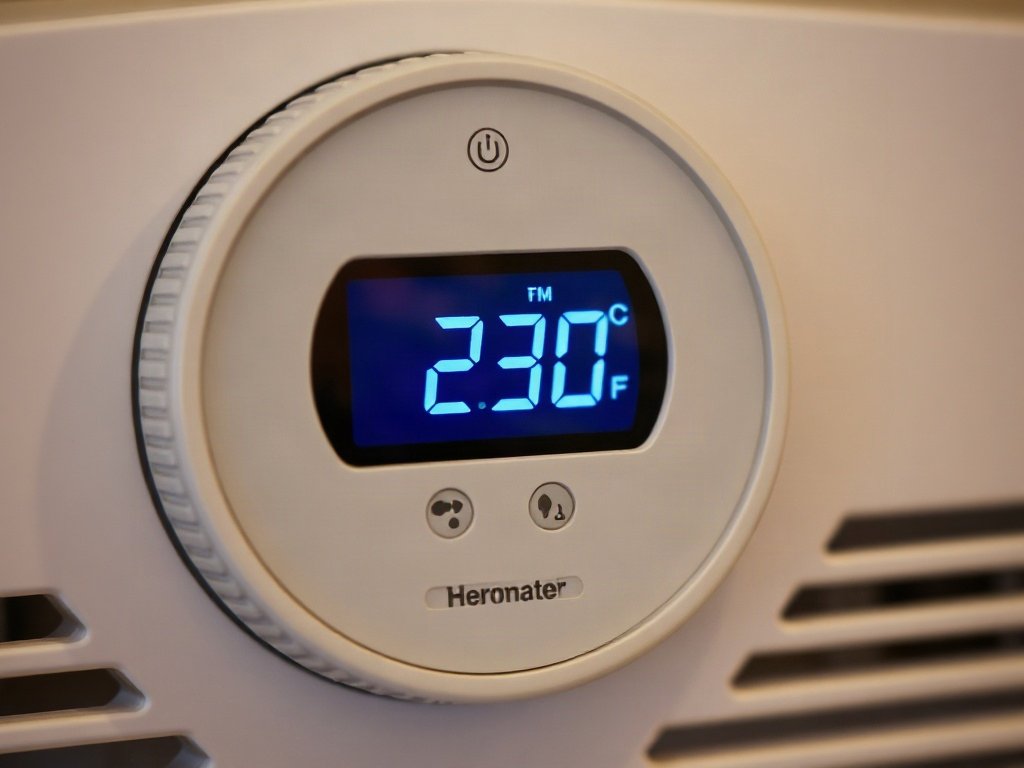
- Thermostat: Monitors and controls the temperature in your home.
Each of these components plays a vital role in ensuring that your air conditioner cools effectively. When any of these parts malfunction, it can cause your air conditioner to run without achieving the desired cooling effect.
Common Reasons for Air Conditioner Malfunction
Understanding the common reasons why your air conditioner may be running but not cooling is the first step to finding a solution. Here are several potential issues to consider:
Dirty Air Filters
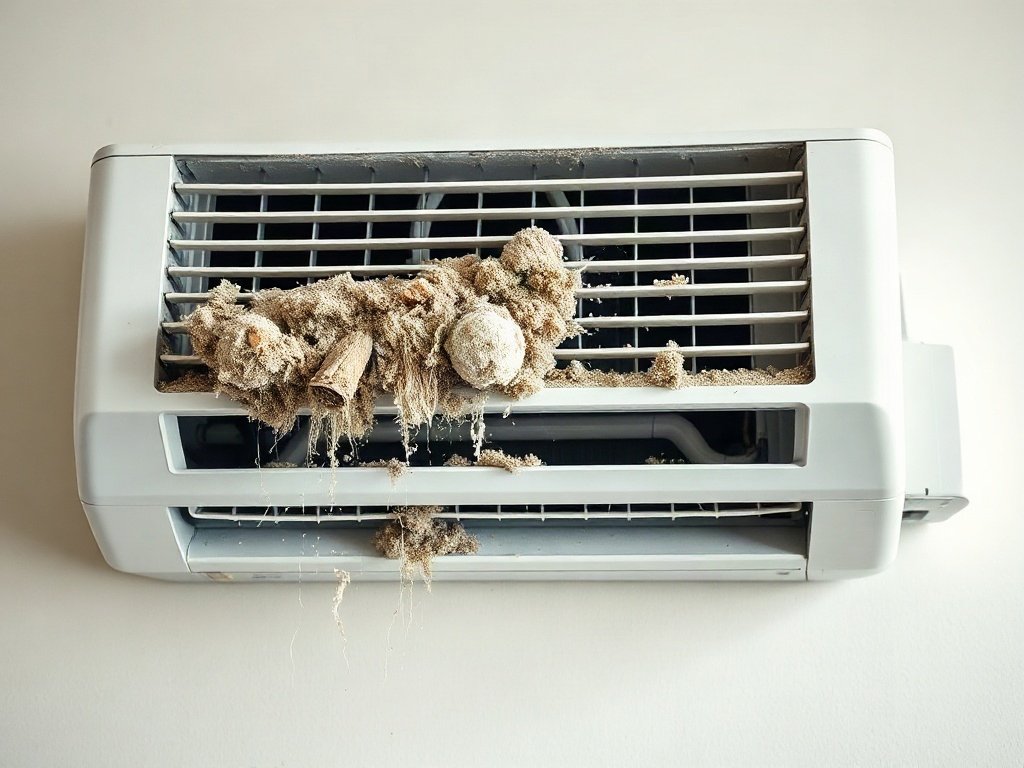
- What Happens: When air filters are clogged with dust and debris, they restrict airflow to the system, making it harder for the air conditioner to cool the indoor space.
- Solution: Regularly check and replace your air filters every 1-3 months, especially during peak usage seasons.
Refrigerant Issues
- What Happens: Low refrigerant levels, often due to leaks, can prevent the air conditioning system from cooling effectively.
- Solution: If you suspect a refrigerant leak, contact a licensed HVAC technician to inspect and recharge the system.
Thermostat Problems
- What Happens: A malfunctioning thermostat may provide incorrect temperature readings, causing the system to run continuously without effectively cooling the house.
- Solution: Test the thermostat by setting it to a lower temperature than the current room temperature. If it doesn’t respond, consider replacing it.
Blocked Condenser Unit
- What Happens: Outdoor condenser units can become blocked by debris, limiting airflow and reducing efficiency.
- Solution: Regularly clean the area around your condenser unit and remove any obstructions like leaves or dirt.
Ductwork Issues
- What Happens: Leaks or blockages in the ductwork can result in conditioned air escaping before it reaches your living spaces.
- Solution: Inspect the ductwork for visible leaks and consider hiring a professional for duct sealing.
Electrical Problems
- What Happens: Issues with electrical components, such as blown fuses or tripped breakers, can affect the operation of your air conditioning system.
- Solution: Check your circuit breaker and replace any blown fuses. If problems persist, consult a qualified electrician.
Steps to Troubleshoot Your Air Conditioner
Once you’ve identified potential problems, follow these practical steps to troubleshoot your air conditioner:
Step 1: Check the Thermostat Settings
- Ensure that the thermostat is set to “cool” mode and that the desired temperature is lower than the current room temperature.
- Replace batteries if it’s a battery-operated thermostat.
Step 2: Inspect Air Filters
- Remove the air filter and inspect it for dirt and debris. If it appears clogged, replace it with a new one to improve airflow.
Step 3: Examine the Condenser Unit
- Go outside and inspect the condenser unit for any obstructions. Clear away debris, and ensure that the unit has ample space for airflow.
Step 4: Assess Refrigerant Levels
- While you cannot check refrigerant levels without specialized tools, you can look for signs of a leak, such as ice buildup on the evaporator coil or a hissing sound.
Step 5: Check Ductwork
- Inspect visible ductwork for any signs of damage or disconnects. Ensure that vents are open and unobstructed.
Step 6: Verify Electrical Connections
- Check your circuit breaker and ensure all fuses are intact. If the system still doesn’t operate, it may require professional attention.
Maintaining Your Air Conditioning System
Proper maintenance can prevent many common air conditioning issues. Here are some essential tips to keep your HVAC system running efficiently:
- Schedule professional HVAC maintenance at least once a year to ensure all components are in good working order.
- Clean or replace air filters regularly to maintain adequate airflow.
- Keep the area around your outdoor condenser unit clear of debris.
- Consider using a programmable thermostat to optimize energy usage.
- Seal any gaps in your home’s insulation to prevent cool air from escaping.
Benefits of Regular Maintenance
- Improved Efficiency: A well-maintained system operates more efficiently, reducing energy consumption.
- Extended Lifespan: Regular servicing can prolong the life of your equipment.
- Cost Savings: Preventative maintenance can reduce the likelihood of expensive repairs.
Risks and Considerations
While troubleshooting your air conditioner can save you time and money, some situations require professional intervention:
- Refrigerant Leaks: Handling refrigerants without proper training can be dangerous and is often illegal. Always hire a certified technician.
- Electrical Issues: Working with electrical components can be hazardous. If you are unsure, consult a qualified electrician.
- Lack of Experience: If you are uncomfortable performing any maintenance or repairs, it is best to seek professional help.
Summary Table of Common Air Conditioner Issues
| Issue | Symptoms | Solution |
|---|---|---|
| Dirty Air Filters | Reduced airflow, poor cooling | Replace filters every 1-3 months |
| Refrigerant Issues | Ice buildup, hissing sounds | Contact an HVAC technician for inspection |
| Thermostat Problems | Incorrect temperature readings | Test or replace thermostat |
| Blocked Condenser Unit | Noise from the unit, poor cooling | Clear debris from around the unit |
| Ductwork Issues | Uneven cooling, high energy bills | Inspect and seal leaks in ductwork |
| Electrical Problems | System not starting, blown fuses | Check circuit breakers and consult an electrician |
Frequently Asked Questions (FAQ)
What should I do if my air conditioner is blowing warm air?
If your air conditioner is blowing warm air, first check the thermostat settings to ensure it is set to “cool.” If the settings are correct, inspect the air filters for clogs and clean or replace them as needed. If the problem persists, consider checking for refrigerant levels or contacting a professional.
How often should I replace my air filters?
Air filters should be replaced every 1 to 3 months, depending on usage and the type of filter. Homes with pets or high dust levels may require more frequent replacements.
What are the signs of a refrigerant leak?
Signs of a refrigerant leak include ice buildup on the evaporator coil, hissing noises from the system, and warmer air blowing from the vents. If you suspect a leak, contact an HVAC professional immediately.
See More Articles on Our Website :Why Does My AC Keep Turning On and Off?
Conclusion
Having your air conditioner running but not cooling your house can be a perplexing issue, but with a bit of knowledge and proactive troubleshooting, you can identify the underlying problems and take steps to address them. Regular maintenance is crucial not only for the efficiency of your system but also for your financial well-being, as it can prevent costly repairs down the line. Are there any specific issues you’ve encountered with your air conditioning system? Share your experiences and thoughts in the comments below!

Ana Sabrina Viana is the creator and author of the blog *Fix My Home & Garden*, where she shares practical tips, inspiration, and solutions for home and garden maintenance, organization, décor, and care. Passionate about creating functional and welcoming environments, she produces content that helps readers transform their spaces in simple, accessible, and creative ways.