
Introduction
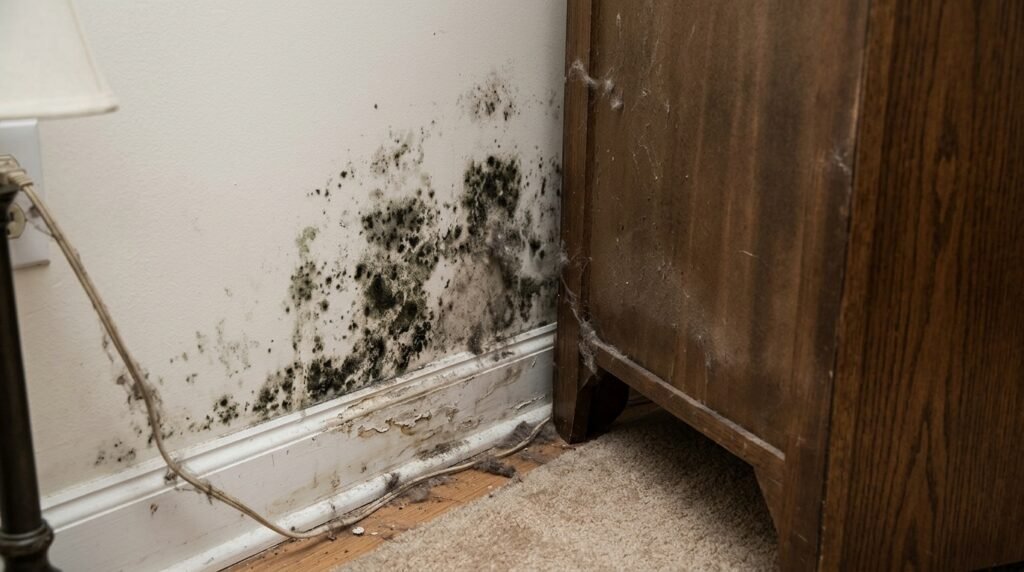
Mold is a common problem in many households, particularly in areas that are prone to moisture. One of the most overlooked places for mold growth is behind furniture. This guide will provide you with effective strategies to prevent mold from developing in these hidden spaces, ensuring a healthier living environment.
Understanding Mold Growth
Before diving into prevention methods, it is essential to understand what mold is and how it grows. Mold is a type of fungus that thrives in damp, dark, and poorly ventilated areas. It reproduces by releasing spores into the air, which can settle and grow in suitable conditions.
Factors Contributing to Mold Growth
- Humidity: High humidity levels create a perfect environment for mold to flourish.
- Poor Ventilation: Spaces that lack airflow can trap moisture, exacerbating mold growth.
- Temperature: Mold prefers temperatures between 60°F and 80°F (15°C to 27°C).
- Organic Materials: Mold feeds on organic materials like wood, fabric, and paper.
Identifying Problem Areas
To effectively prevent mold, you need to identify areas in your home that are at risk. Pay close attention to:
- Bathrooms and kitchens, where moisture is common.
- Basements and crawl spaces, which are typically damp.
- Areas around windows and doors, where condensation may occur.
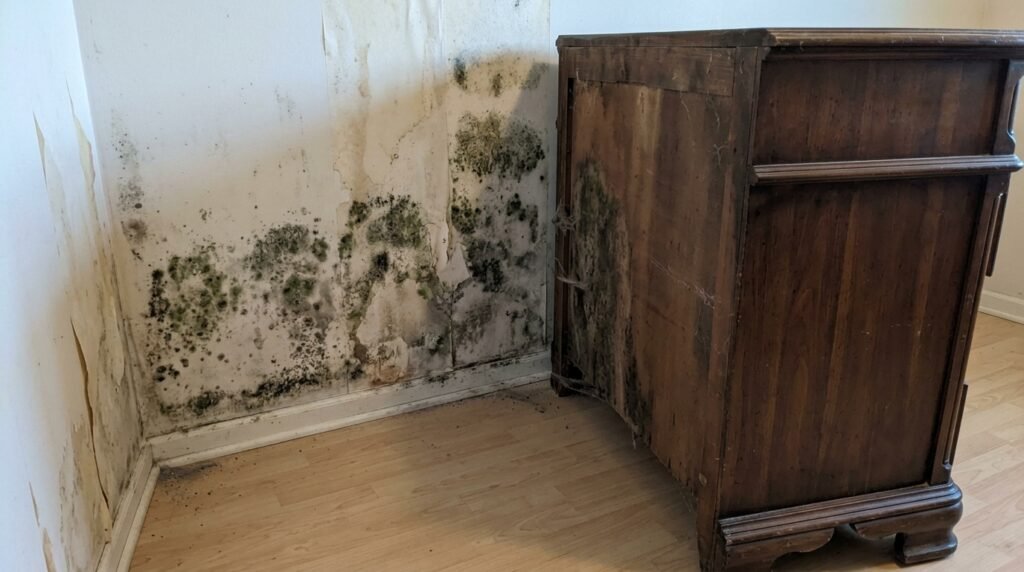
- Behind and underneath furniture, especially if they are placed against walls.
Preventive Measures
1. Control Humidity Levels
Maintaining appropriate humidity levels is crucial in mold prevention. Aim to keep indoor humidity below 60%:
- Use dehumidifiers in damp areas.
- Ensure proper ventilation in kitchens and bathrooms.
- Open windows and doors when weather permits to encourage airflow.
2. Ensure Proper Ventilation
Good airflow can significantly reduce the likelihood of mold growth:
- Place furniture away from walls to allow air circulation.
- Use exhaust fans in high-moisture areas.
- Keep vents clear of obstructions.
3. Regular Cleaning
Regular cleaning can help mitigate mold risks:
- Dust and vacuum regularly to remove spores.
- Use mold-resistant cleaning products in susceptible areas.
- Wipe down surfaces with a damp cloth to remove dust and moisture.
4. Use Mold-Resistant Products
When purchasing furniture or materials, consider mold-resistant options:
- Choose mold-resistant paints and finishes.
- Opt for furniture made from synthetic materials that resist moisture.
- Consider mold-resistant insulation in basements and crawl spaces.
5. Monitor and Repair Leaks
Water leaks are a significant contributor to mold growth:
- Regularly inspect plumbing for leaks or drips.
- Check roofs and gutters to prevent water intrusion.
- Address any issues promptly to prevent mold proliferation.
6. Use Absorbent Materials
In areas prone to moisture, consider using moisture-absorbing materials:
- Silica gel or activated charcoal can help absorb excess moisture.
- Place absorbent materials behind furniture to reduce humidity.
Dealing with Existing Mold
If you discover mold behind your furniture, it is essential to address it promptly:
- Wear protective gear, such as gloves and masks.
- Remove the affected furniture and clean the area with a mixture of water and detergent.
- For severe infestations, consider consulting a professional mold remediation service.
Conclusion
Preventing mold behind furniture requires vigilance and proactive measures. By controlling humidity, ensuring proper ventilation, and regularly cleaning your home, you can significantly reduce the risk of mold growth. Remember that early detection and action are key to maintaining a healthy living environment.

Ana Sabrina Viana is the creator and author of the blog *Fix My Home & Garden*, where she shares practical tips, inspiration, and solutions for home and garden maintenance, organization, décor, and care. Passionate about creating functional and welcoming environments, she produces content that helps readers transform their spaces in simple, accessible, and creative ways.