
How Can You Reduce Condensation on Windows in Winter?
Winter brings a host of challenges, particularly when it comes to maintaining a comfortable and efficient home environment. One of the most common issues homeowners face during this season is condensation on windows. This phenomenon not only obscures your view but can also lead to mold growth, damage to window frames, and increased heating costs. In this guide, you will learn how to effectively reduce condensation on windows in winter, ultimately enhancing your home’s comfort while saving money.
Understanding the causes of condensation is crucial to addressing the problem effectively. Condensation occurs when warm, moist air comes into contact with cold surfaces, such as windows. This leads to water droplets forming on the glass. By implementing the strategies outlined in this article, you can significantly reduce moisture levels in your home, protect your property, and enhance energy efficiency.

What Causes Condensation on Windows?
To tackle condensation effectively, we first need to understand its underlying causes. Condensation on windows is primarily a result of high indoor humidity levels combined with cold outdoor temperatures. Here are the main factors contributing to this issue:
- Temperature Differences: When the warm air inside your home meets the cold surface of the window, condensation forms. This is more pronounced during winter months when outdoor temperatures drop significantly.
- Humidity Levels: Activities such as cooking, showering, and even breathing contribute to indoor humidity. In winter, when windows are often closed, this moisture has nowhere to go.
- Poor Insulation: Inadequate insulation can lead to cold spots on your windows, exacerbating condensation issues.
- Ventilation: Lack of proper ventilation traps moist air indoors, making condensation more likely.
Understanding these factors will help you implement effective solutions to combat condensation.
Steps to Reduce Condensation on Windows
Now that we’ve outlined the causes of condensation, let’s explore practical steps to reduce it effectively. Here’s a comprehensive guide to help you address this issue in your home.
Improve Your Home’s Insulation
One of the most effective ways to reduce condensation is by improving your home’s insulation. When windows are properly insulated, the temperature difference between the inside and outside is minimized, reducing the likelihood of condensation. Here are some insulation strategies:
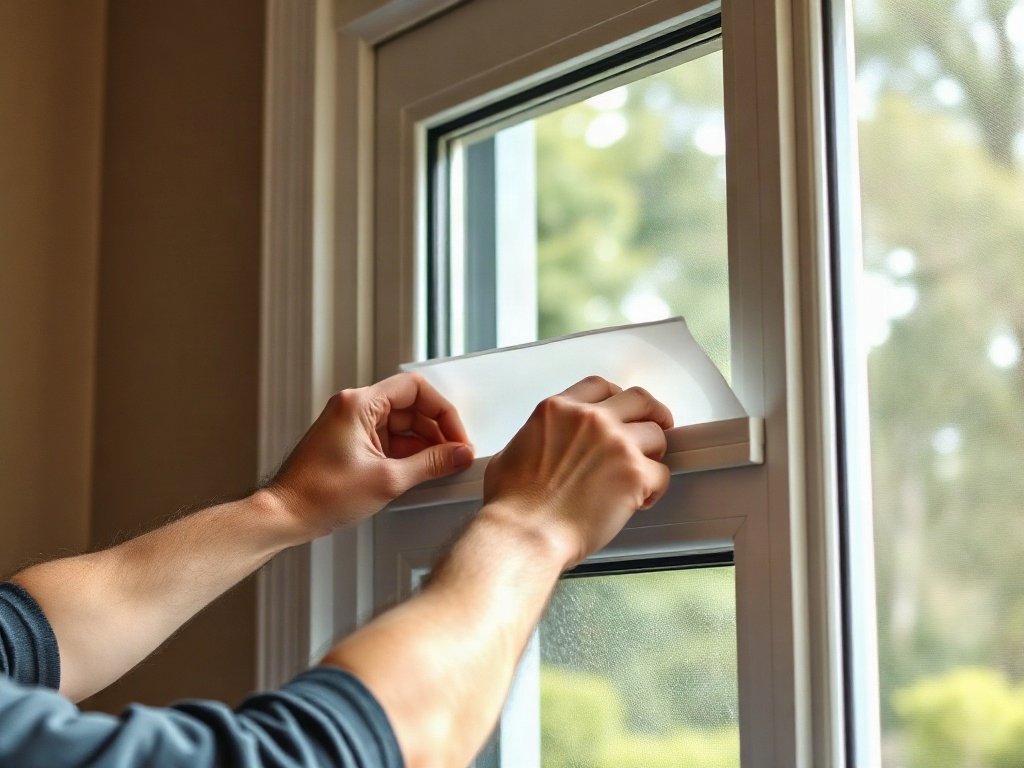
- Weather Stripping: Apply weather stripping around window frames. This prevents cold air from entering and warm air from escaping, keeping the window surface warmer.
- Window Films: Consider applying insulating window films. These films can reduce heat loss and improve energy efficiency, ultimately keeping windows warmer.
- Double-Glazing: If feasible, invest in double-glazed windows. These windows consist of two panes of glass with a layer of gas in between, providing excellent insulation.
Control Indoor Humidity Levels
Managing indoor humidity is essential in reducing condensation. Here are practical ways to control humidity in your home:
- Use Dehumidifiers: A dehumidifier can help remove excess moisture from the air. This is particularly useful in areas prone to high humidity, such as kitchens and bathrooms.
- Ventilate Properly: Ensure that your home is well-ventilated. Open windows periodically to allow fresh air in and reduce humidity levels. Use exhaust fans in kitchens and bathrooms to expel moist air outside.
- Dry Clothes Outside: If possible, avoid drying clothes indoors, as this adds significant moisture to the air. If you must dry indoors, use a dehumidifier or ensure good ventilation.
Maintain a Consistent Indoor Temperature
Maintaining a consistent indoor temperature can help reduce condensation. Here are some tips to achieve this:
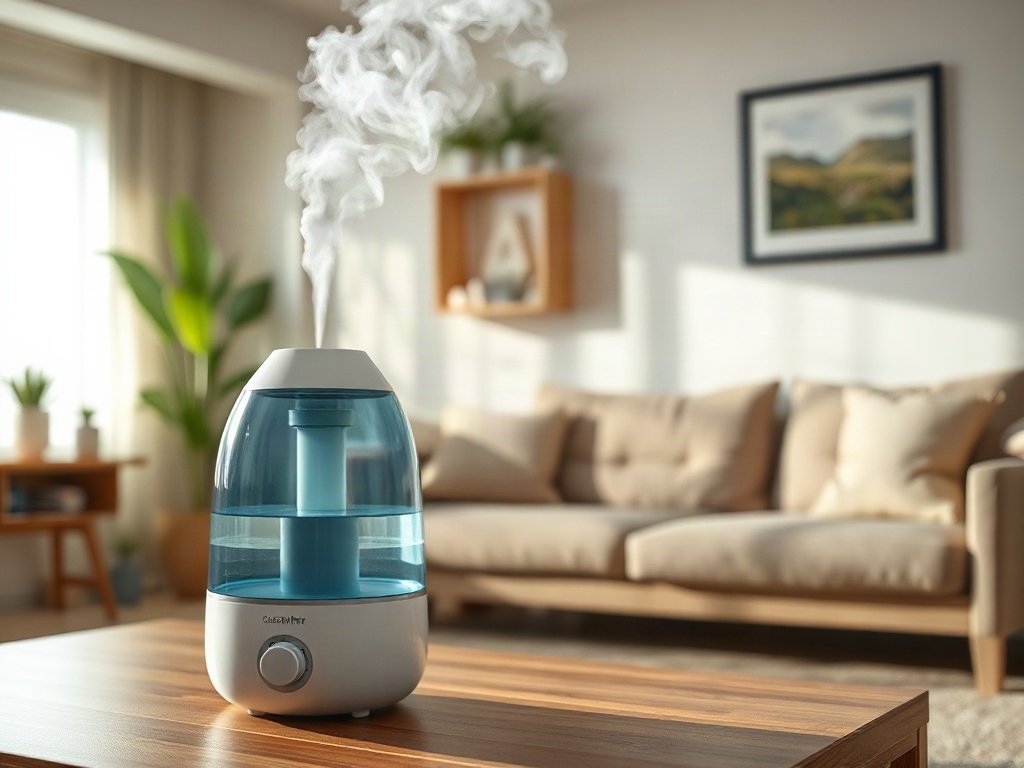
- Set Your Thermostat: Keep your thermostat set to a consistent temperature. Avoid drastic temperature changes, as this can lead to cold spots and increased condensation.
- Use Space Heaters Wisely: If using space heaters, ensure they are placed away from windows to avoid creating cold spots.
Use Ventilation Systems
Investing in proper ventilation systems can significantly reduce condensation levels in your home. Consider the following options:
- Mechanical Ventilation: Install a mechanical ventilation system that promotes air exchange between the indoors and outdoors, helping to maintain balanced humidity levels.
- Heat Recovery Ventilators (HRVs): These systems not only ventilate but also recover heat from outgoing air, making them energy-efficient.
Monitor Indoor Activities
Being mindful of daily activities that contribute to indoor humidity can help in reducing condensation:
- Cooking: Use lids while cooking to minimize steam. If possible, use an exhaust fan to expel moist air.
- Bathing: Use bathroom exhaust fans during and after showers to remove excess moisture.
- Houseplants: While houseplants can improve air quality, they also release moisture. Consider the number of plants in your home and their placement.
Benefits of Reducing Condensation on Windows
Reducing condensation not only enhances your home’s comfort but also offers several financial and health benefits:
- Energy Savings: Improved insulation and reduced condensation lead to lower heating costs, as your heating system won’t have to work as hard to maintain a comfortable temperature.
- Mold Prevention: By reducing moisture levels, you can avoid mold growth, which can lead to costly repairs and health issues.
- Extended Window Lifespan: Less condensation means less likelihood of damage to window frames and seals, prolonging the life of your windows.
Risks and Precautions
While addressing condensation is crucial, it’s important to remain cautious of potential risks:
- Over-Dehumidification: Excessively reducing humidity can lead to dry air, which may cause respiratory issues and damage wooden furniture.
- Ventilation Issues: Improper ventilation can lead to drafts and heat loss, counteracting your efforts to maintain a comfortable indoor climate.
- Initial Costs: Investing in insulation and ventilation systems may require upfront costs, but the long-term savings can outweigh these expenses.
| Method | Initial Cost | Long-term Savings | Effectiveness |
|---|---|---|---|
| Weather Stripping | Low | Medium | High |
| Double-Glazed Windows | High | High | Very High |
| Dehumidifiers | Medium | Medium | Medium |
| Mechanical Ventilation | High | High | Very High |
Frequently Asked Questions (FAQ)
What is the best way to prevent condensation on windows?
The best way to prevent condensation on windows is to improve insulation, manage indoor humidity, and ensure proper ventilation. Utilizing weather stripping, double-glazing, and dehumidifiers can significantly reduce moisture levels.
Can I use a hairdryer to remove condensation?
While using a hairdryer may provide a temporary solution for removing condensation, it is not advisable as a long-term fix. Instead, focus on improving insulation and ventilation to prevent condensation from forming in the first place.
How often should I ventilate my home to reduce humidity?
Ventilating your home should be done regularly, ideally daily or several times a week. Open windows for at least 15-30 minutes to allow fresh air circulation, especially after cooking or bathing.
See More Articles on Our Website :Why Does My Bathroom Ceiling Develop Mold?
Conclusion
Reducing condensation on windows in winter is not just about comfort; it’s also about protecting your home and finances. By implementing the strategies outlined in this guide—such as improving insulation, managing humidity, and ensuring proper ventilation—you can create a healthier living environment while saving on energy costs.
We hope you found this guide helpful! What strategies have you tried to combat condensation in your home? Share your experiences in the comments below, and let’s discuss how we can all work towards a more comfortable and efficient living space.

Ana Sabrina Viana is the creator and author of the blog *Fix My Home & Garden*, where she shares practical tips, inspiration, and solutions for home and garden maintenance, organization, décor, and care. Passionate about creating functional and welcoming environments, she produces content that helps readers transform their spaces in simple, accessible, and creative ways.