
Imagine dedicating seu tempo e energia para cultivar um jardim cheio de plantas de tomate, apenas para vê-las florescendo lindamente, mas sem produzir nenhum fruto. Essa situação frustrante é muito comum para muitos jardineiros.
Com minha vasta experiência em cultivo de tomate, identifiquei fatores-chave que muitas vezes impedem a produção de frutos.
O desafio não é apenas fazer as plantas crescerem; é entender suas necessidades específicas para garantir que elas frutifiquem com sucesso.
Resumo de Fatos Rápidos:
1. As flutuações de temperatura podem afetar severamente a frutificação do tomate.
2. A polinização é crucial; sem ela, as flores podem cair.
3.O desequilíbrio de nutrientes, especialmente o excesso de nitrogênio, prejudica o desenvolvimento dos frutos.
As plantas de tomate podem ser bastante sensíveis às condições ambientais, e vários fatores podem levar à ausência de frutos. Ao abordar essas questões, você pode melhorar suas chances de uma colheita bem-sucedida.
Understanding the Role of Temperature
Tomatoes are warm-weather plants that thrive in specific temperature ranges. When daytime temperatures exceed 85°F or nighttime temperatures remain above 70°F, it can interfere with the plant’s ability to set fruit.
Similarly, temperatures below 55°F can also prevent fruiting as they slow down the plant’s metabolic processes.
To mitigate these effects, consider planting your tomatoes in a location that receives morning sunlight but is shaded during the hottest part of the day. You might also use shade cloths to regulate temperature extremes.
Pollination: A Crucial Step
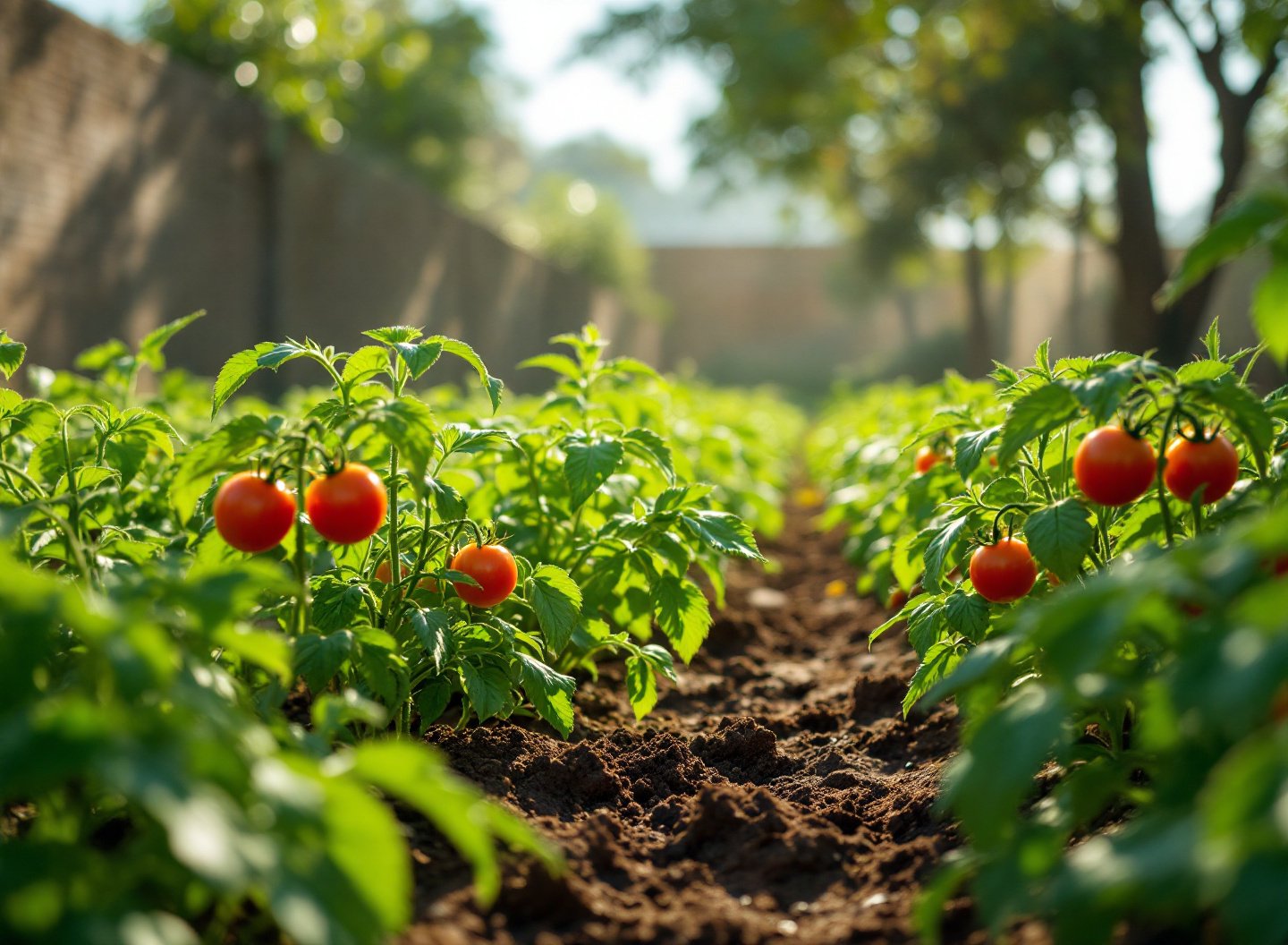
Tomato plants rely on wind and insects for pollination. Without effective pollination, flowers may fall off, leading to a lack of fruit.
Inadequate pollination can be caused by a lack of pollinators, such as bees, or environmental conditions that are not conducive to pollination, such as high humidity or rain.
To enhance pollination, gently shake the plants in the morning to mimic natural pollination processes. You can also plant flowers that attract pollinators nearby to improve the chances of successful pollination.
Nutrient Balance: The Key to Healthy Fruit
While nutrients are essential for plant growth, an imbalance can be detrimental. Too much nitrogen can lead to lush, green foliage at the expense of fruit production.
Tomatoes need a balanced supply of nutrients, particularly phosphorus and potassium, which support fruiting and overall plant health.
Regular soil testing and the use of balanced fertilizers can help maintain the right nutrient levels. Avoid over-fertilizing with nitrogen-rich fertilizers if your plants are not fruiting.
Watering Techniques for Optimal Growth
Tomato plants require consistent watering to thrive, but the method and timing of watering play crucial roles in fruit production. Inconsistent watering can lead to stress, causing flowers and small fruits to drop.
Additionally, overwatering or underwatering can cause root problems, affecting the plant’s ability to take up nutrients.
Water your tomato plants deeply but infrequently to encourage deep root growth. Mulching can also help retain soil moisture and regulate temperature, promoting a healthier growing environment.
Pest and Disease Management
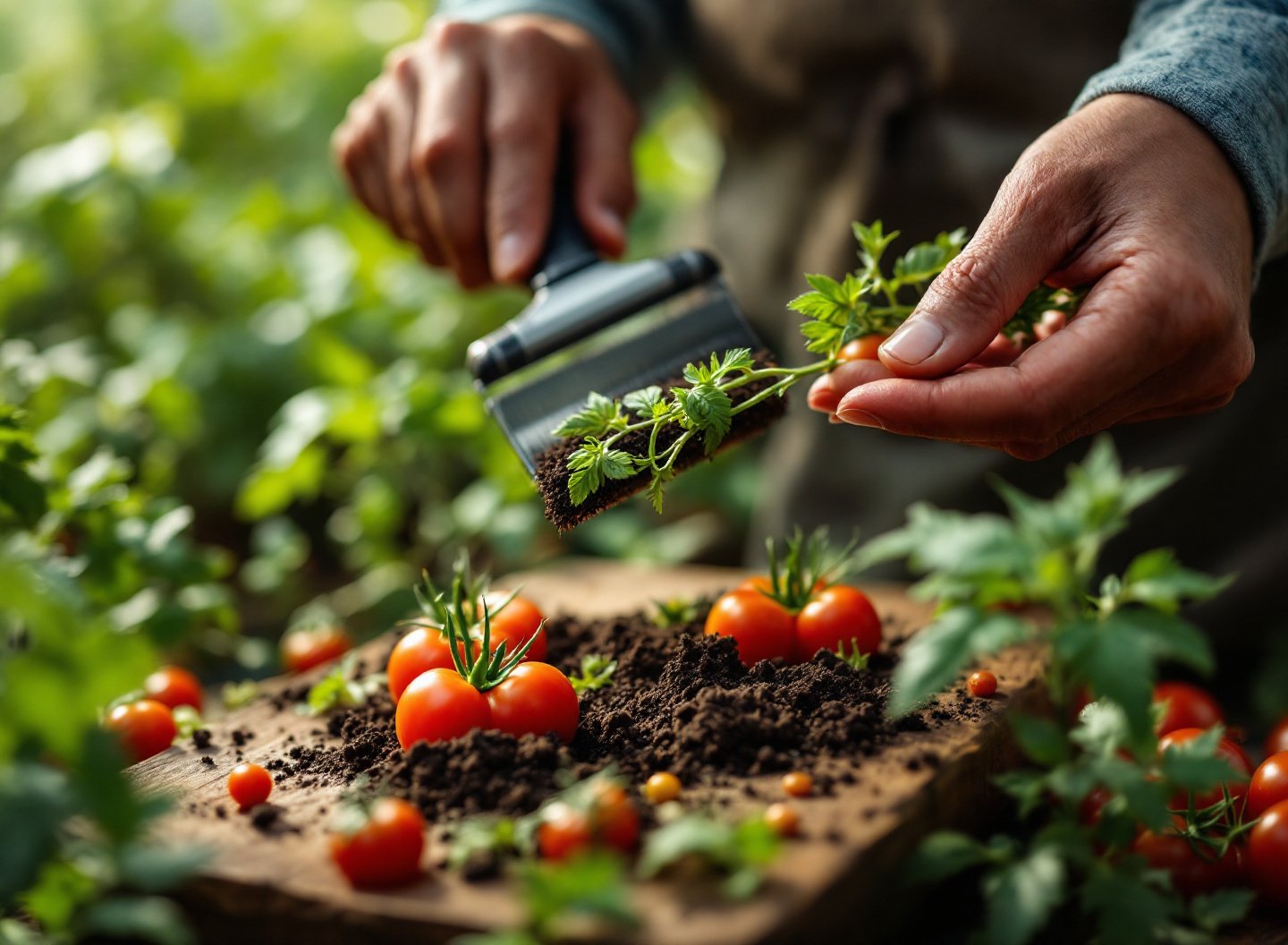
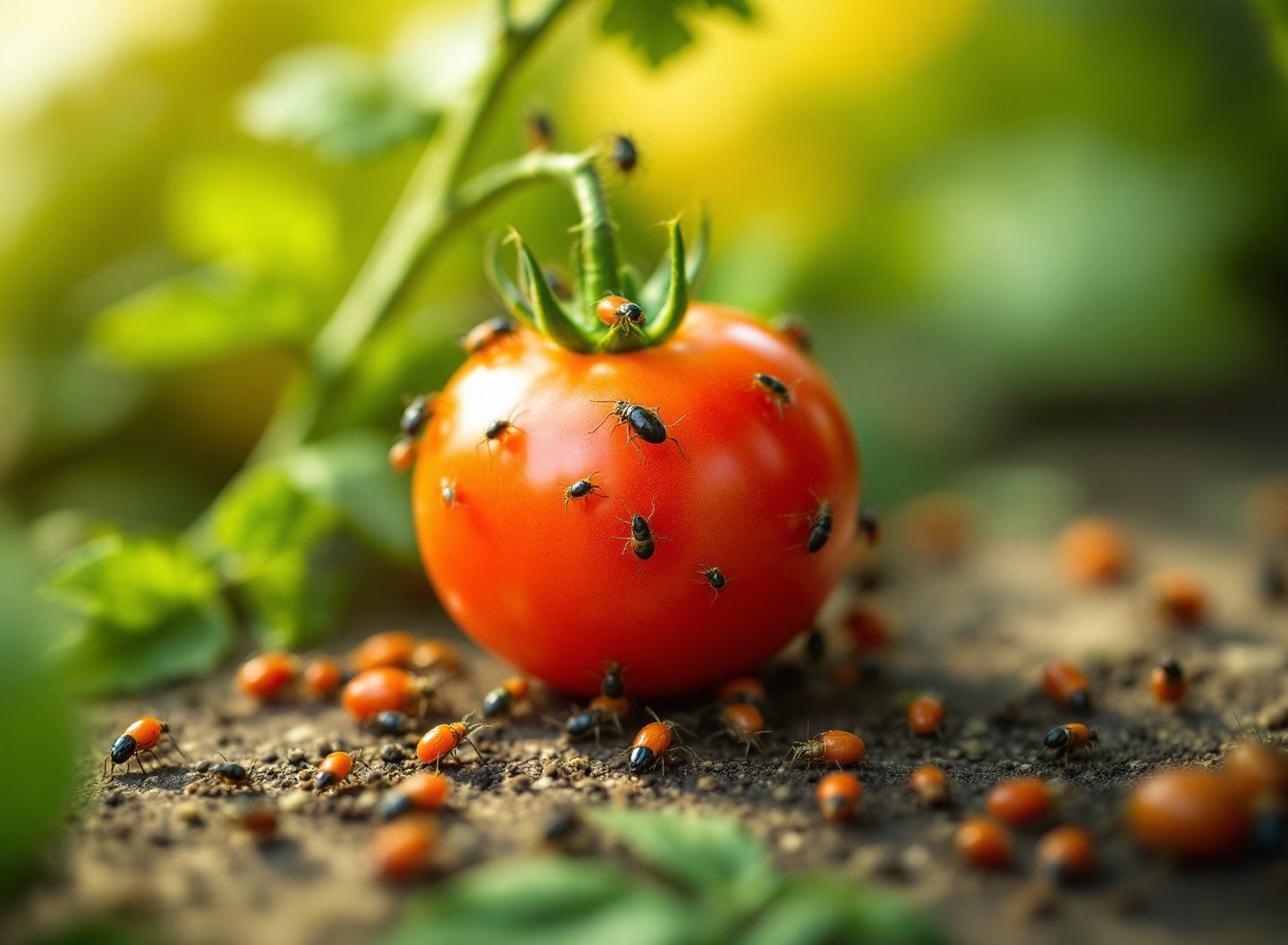
Pests and diseases can be significant obstacles to fruit production in tomato plants. Common pests like aphids and whiteflies, or diseases such as blight, can weaken plants, reducing their ability to set and grow fruit.
Regular monitoring and prompt intervention are crucial.
Use organic pest control methods and ensure good air circulation around your plants to reduce disease risk. Removing any affected leaves or plants promptly can prevent the spread of infestations and infections.
Conclusion
Successfully growing tomatoes requires attention to detail and an understanding of the plant’s needs. From temperature management to ensuring proper pollination and balancing nutrients, each step plays a vital role in fruit production.
Want to see your tomato plants flourish with abundant fruit? Share this article directly via WhatsApp or Telegram with fellow gardening enthusiasts who need to unlock the secrets of successful tomato cultivation!
Frequently Asked Questions (FAQ)
What temperature is too hot for tomato plants?
Tomato plants struggle to set fruit when daytime temperatures exceed 85°F or nighttime temperatures are above 70°F. Consider shading methods to alleviate heat stress.
How can I improve pollination for my tomato plants?
Encourage pollination by gently shaking plants in the morning, planting pollinator-friendly flowers nearby, and ensuring optimal conditions free from excessive moisture.
Why are my tomato plant leaves turning yellow?
Yellowing leaves can indicate nutrient deficiencies, particularly nitrogen, or overwatering. Test soil and adjust watering and fertilization practices accordingly.
What natural methods can control pests on tomato plants?
Use neem oil, insecticidal soap, or introduce beneficial insects like ladybugs to control pests naturally without harming the plants or environment.
ENTREGA FINAL (META TAGS): No final de tudo, gere os seguintes metadados:
- Meta Title: Why Tomato Plants Aren’t Producing Fruit
- Meta Description: Discover why tomato plants aren’t fruiting and solutions to enhance growth. Share with fellow gardeners!
- Descrição LLMs: Identify key reasons why tomato plants aren’t producing fruit, covering temperature, pollination, nutrient balance, and pest management. Enhance your garden’s productivity with expert tips and practical solutions.
- Tags: tomatoes, fruiting challenges, garden tips, pollination, nutrient balance, pest control, temperature effects
Perguntas Frequentes (FAQ)
What temperature is too hot for tomato plants?
How can I improve pollination for my tomato plants?
Why are my tomato plant leaves turning yellow?
What natural methods can control pests on tomato plants?

Ana Sabrina Mariane Viana is the creator of Fix My Home & Garden, a blog dedicated to sharing practical tips, step-by-step guides, and expert advice on home maintenance, gardening, organization, home improvement, and décor. Her goal is to help readers create more comfortable, functional, and beautiful living spaces by providing clear, reliable, and easy-to-follow content for everyday home and garden projects.