
Why Is My Furnace Blowing Cold Air Instead of Heat?
As the chilly months approach, many homeowners rely on their furnaces to keep their homes warm and comfortable. However, encountering a furnace that blows cold air instead of heat can be frustrating and concerning. Understanding why this happens is crucial not only for your comfort but also for your financial well-being. This comprehensive guide will explore the common reasons your furnace may not be functioning correctly, practical troubleshooting steps you can take, and how to prevent future issues. By the end of this article, you will be equipped with the knowledge to address furnace problems efficiently and avoid costly repairs.
Understanding the Basics of Your Furnace
Before diving into troubleshooting, it’s essential to understand how your furnace works. Furnaces come in various types, including forced air, electric, and gas furnaces. Each type operates on different principles, but the primary function remains the same: to heat your home.
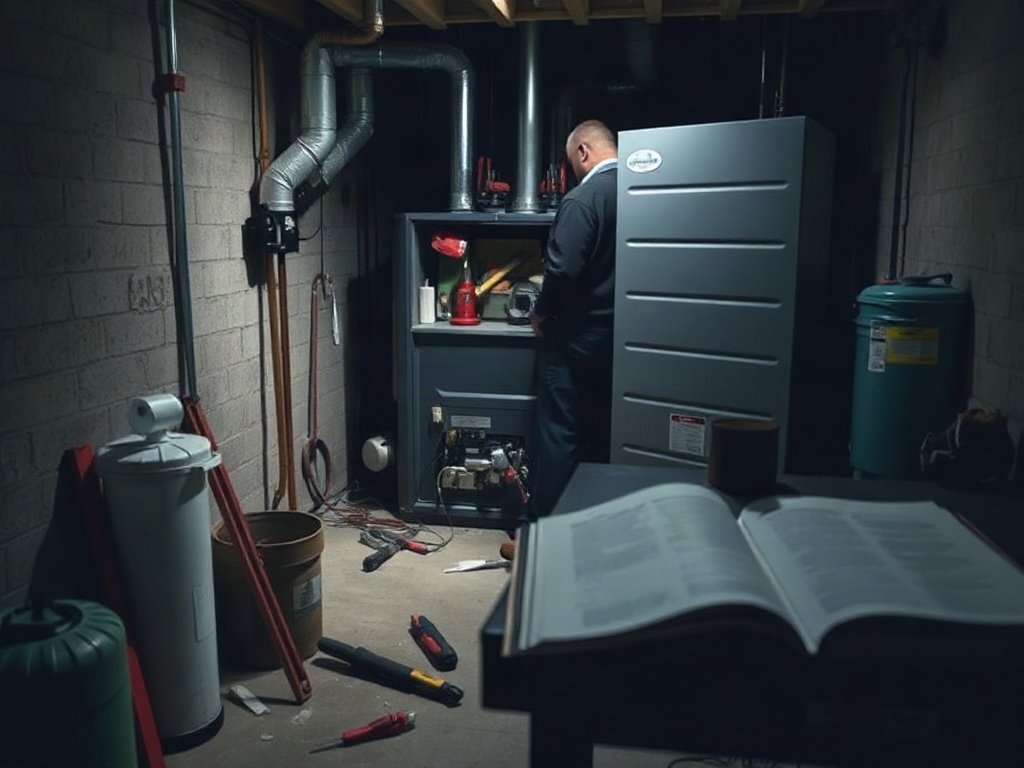
- Forced Air Furnaces: These systems heat air and then distribute it throughout the home via ducts.
- Electric Furnaces: These use electric coils to generate heat, which is then blown into the living space.
- Gas Furnaces: These burn natural gas or propane to create heat, which is then circulated by a blower.
Understanding how your system operates can help you pinpoint problems more effectively.
Common Causes of Cold Air from Your Furnace
Several factors can cause your furnace to blow cold air instead of heat. Below, we’ll explore some of the most common issues, along with practical solutions.
Thermostat Issues
The thermostat acts as the control center for your heating system. If it’s malfunctioning, your furnace may not receive the correct signals to heat your space.
- Incorrect Settings: Ensure your thermostat is set to “heat” and that the desired temperature is above the current room temperature.
- Dead Batteries: If your thermostat is battery-operated, replace the batteries and see if that resolves the issue.
- Faulty Thermostat: If adjustments don’t work, the thermostat itself might be faulty and require replacement.
Clogged Air Filters
Air filters play a critical role in your furnace’s operation. A clogged filter restricts airflow, causing the furnace to overheat and shut down or blow cold air.
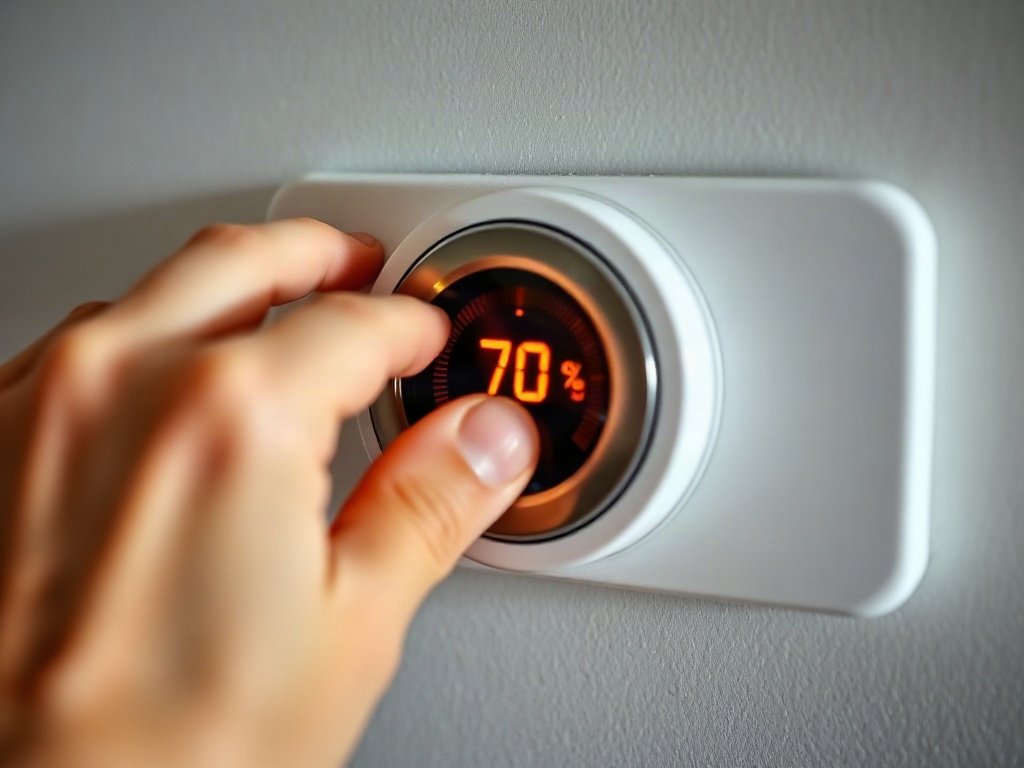
- Check Your Filters: Inspect your air filters monthly and replace them every 1-3 months, depending on usage and type.
- Clean Filters: If you have reusable filters, clean them according to the manufacturer’s instructions.
Pilot Light or Ignition Problems
In gas furnaces, the pilot light or electronic ignition system is responsible for igniting the gas to produce heat. If there’s an issue with either, you may experience cold air blowing from your vents.
- Pilot Light Out: If your pilot light is out, you can relight it following the manufacturer’s instructions.
- Ignition Failure: If your furnace uses an electronic ignition, a failure could be due to a faulty component. It’s advisable to consult a professional for repairs.
Duct Issues
Ductwork can also be a source of problems. If there are leaks, blockages, or disconnections, warm air may not reach your living space.
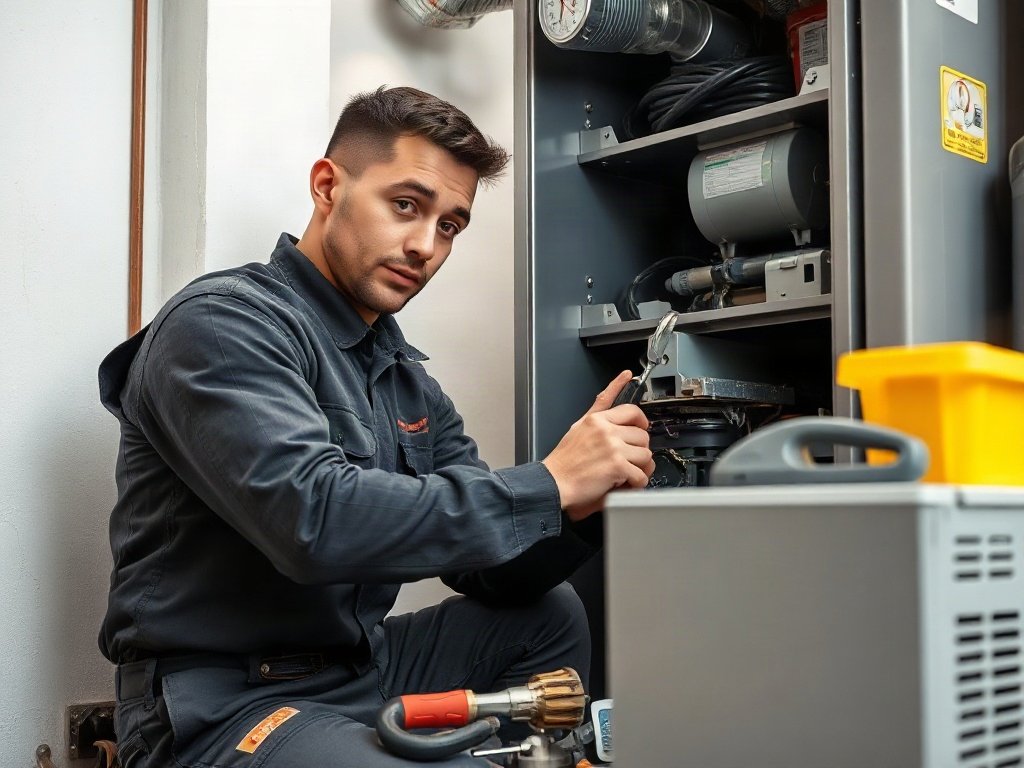
- Inspect Ducts: Check for visible signs of damage or disconnections in the ductwork.
- Seal Leaks: Use duct tape or mastic sealant to seal any leaks you find.
- Professional Cleaning: Consider hiring a professional to clean and inspect your ducts for blockages.
Blower Motor Malfunctions
The blower motor is responsible for circulating air throughout your home. If it’s not working correctly, you may receive cold air instead of heated air.
- Listen for Noises: If you hear unusual noises coming from your furnace, the blower motor may be failing.
- Check the Capacitor: A faulty capacitor can cause the motor to malfunction. Testing and replacing it may require a professional.
Safety Mechanisms
Most furnaces have safety mechanisms that prevent them from operating under unsafe conditions. If these mechanisms engage, your furnace may blow cold air.
- Check the Limit Switch: If the limit switch is tripped, it may indicate the furnace is overheating. This could be due to clogged filters or duct issues.
- Reset the System: Sometimes, simply resetting the furnace can resolve temporary issues.
Step-by-Step Troubleshooting Guide
To help you address the issue of your furnace blowing cold air, here’s a step-by-step troubleshooting guide you can follow:
- Check the Thermostat Settings: Ensure the thermostat is set to “heat” and the desired temperature is set correctly.
- Inspect Air Filters: Look at your air filters and replace them if they are dirty or clogged.
- Examine the Pilot Light or Ignition: If you have a gas furnace, check if the pilot light is lit or if the electronic ignition is functioning.
- Inspect Ductwork: Look for any visible damage or disconnections in your ductwork.
- Listen for Blower Sounds: Pay attention to any unusual sounds coming from the blower motor.
- Check Safety Mechanisms: Make sure the limit switch hasn’t been tripped and reset the system if necessary.
Following these steps can help you identify the problem and potentially restore heat to your home without incurring significant repair costs.
Advantages of Regular Maintenance
Regular maintenance of your heating system can prevent many issues from arising, ensuring your furnace operates efficiently and effectively. Here are some advantages:
- Increased Efficiency: A well-maintained furnace operates more efficiently, reducing energy bills.
- Extended Lifespan: Regular check-ups can prolong the life of your heating system, saving you money in the long run.
- Improved Air Quality: Clean filters and ducts contribute to better indoor air quality, benefiting your health and comfort.
Tips for Home Heating Efficiency
In addition to troubleshooting furnace problems, consider implementing these tips to enhance your home’s heating efficiency:
- Seal Windows and Doors: Check for drafts and seal any gaps with weather stripping or caulk.
- Use a Programmable Thermostat: This allows you to set heating schedules, optimizing energy use.
- Insulate Your Home: Proper insulation helps retain heat, reducing the load on your furnace.
- Regular Inspections: Schedule annual inspections with a professional to keep your system in top condition.
Summary Table of Common Furnace Issues
| Issue | Symptoms | Possible Solutions |
|---|---|---|
| Thermostat Issues | No heat | Check settings, replace batteries, or replace thermostat |
| Clogged Air Filters | Reduced airflow | Replace or clean filters |
| Pilot Light/Ignition Issues | No heat in gas furnaces | Relight pilot or check ignition system |
| Duct Issues | Uneven heating | Inspect and seal ductwork |
| Blower Motor Malfunctions | No airflow | Listen for noises and check motor functionality |
Frequently Asked Questions (FAQ)
Why is my furnace running but not heating?
Several factors can contribute to this issue. Common reasons include a malfunctioning thermostat, clogged air filters, or problems with the pilot light or ignition system. Begin by checking these components before calling a professional.
How often should I replace my furnace filters?
Typically, furnace filters should be replaced every 1-3 months, depending on usage and the type of filter. If you have pets or live in a dusty area, you may need to replace them more frequently.
When should I call a professional for furnace repair?
If you’ve gone through the basic troubleshooting steps and your furnace is still blowing cold air, it’s time to call a professional. Additionally, if you notice unusual noises, smells, or if the furnace fails to operate altogether, immediate professional assistance is recommended.
See More Articles on Our Website : Why Does My Thermostat Show the Wrong Temperature?
Conclusion
Experiencing a furnace that blows cold air can be disheartening, especially during the colder months. By understanding the common issues and following practical troubleshooting steps, you can address the problem efficiently. Regular maintenance and awareness of your heating system can not only enhance your comfort but also save you money in the long run. We hope this guide helps you navigate furnace issues with confidence. Have you faced similar problems with your heating system? Share your experiences in the comments below!

Ana Sabrina Viana is the creator and author of the blog *Fix My Home & Garden*, where she shares practical tips, inspiration, and solutions for home and garden maintenance, organization, décor, and care. Passionate about creating functional and welcoming environments, she produces content that helps readers transform their spaces in simple, accessible, and creative ways.