
Why Is My Air Conditioner Making a Buzzing Noise?
As temperatures rise, the comfort of a well-functioning air conditioner becomes increasingly important. However, if you’ve noticed your air conditioner making a buzzing noise, it can be concerning. This sound might indicate underlying issues that could affect your unit’s performance or efficiency. In this guide, we will explore the reasons your air conditioner might be buzzing, how to troubleshoot the problem, and when it’s time to call in a professional. Understanding these aspects can not only enhance the longevity of your air conditioning unit but also help you save money on repairs and energy bills.
Understanding the Basics of Air Conditioners
Before diving into the buzzing noise issue, it’s important to understand how an air conditioner works.
Components of an Air Conditioner
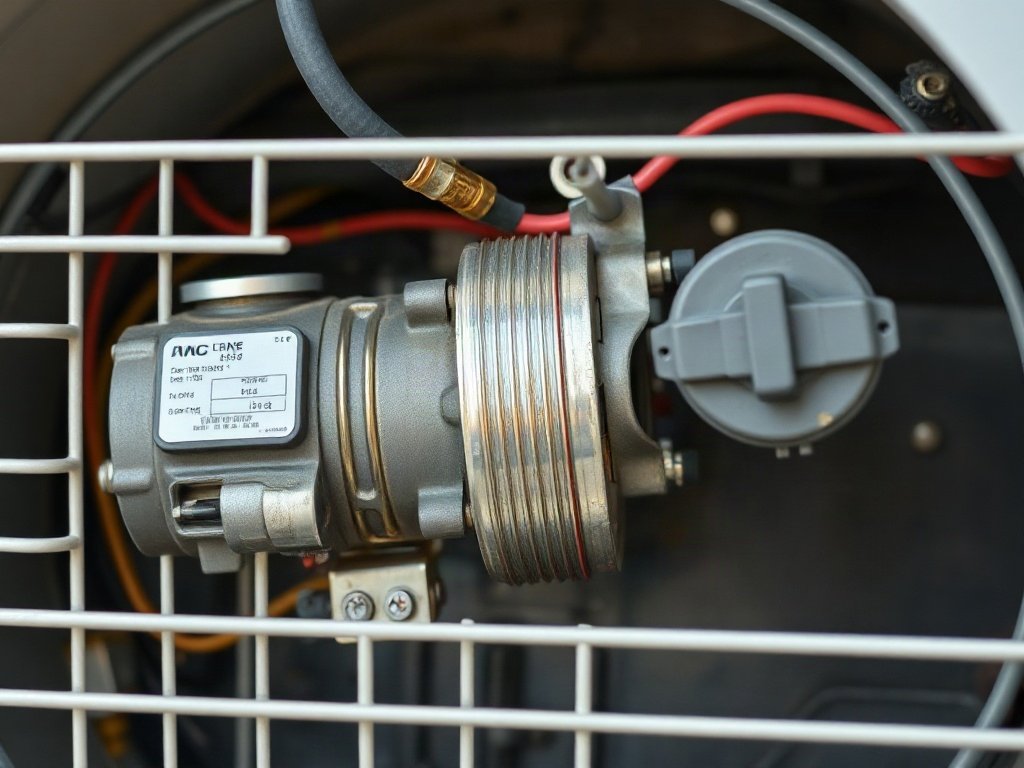
An air conditioning unit consists of several key components, including:
- Compressor: This is the heart of the AC, responsible for circulating refrigerant throughout the system.
- Condenser Coil: Located outside, it dissipates heat from the refrigerant, allowing it to cool down.
- Evaporator Coil: Found inside the house, it absorbs heat from the indoor air.
- Expansion Valve: This controls the flow of refrigerant into the evaporator coil.
- Fan: A fan blows air over the evaporator coil, cooling it before circulating it throughout the home.
How Air Conditioners Work
The process begins with the compressor, which compresses the refrigerant gas and sends it to the condenser coil. Here, the heat is released, and the refrigerant cools and turns into a liquid. This liquid then moves to the expansion valve, where it is released into the evaporator coil. As air passes over the evaporator, the refrigerant absorbs heat, making the air cooler before it is blown into your living space.
Why Is My Air Conditioner Making a Buzzing Noise?
There are several reasons behind a buzzing noise emanating from your air conditioning unit. Understanding these causes can help you determine whether it’s a minor issue or something that requires immediate attention.
Electrical Issues
One of the most common reasons for buzzing sounds is electrical problems. These can include:
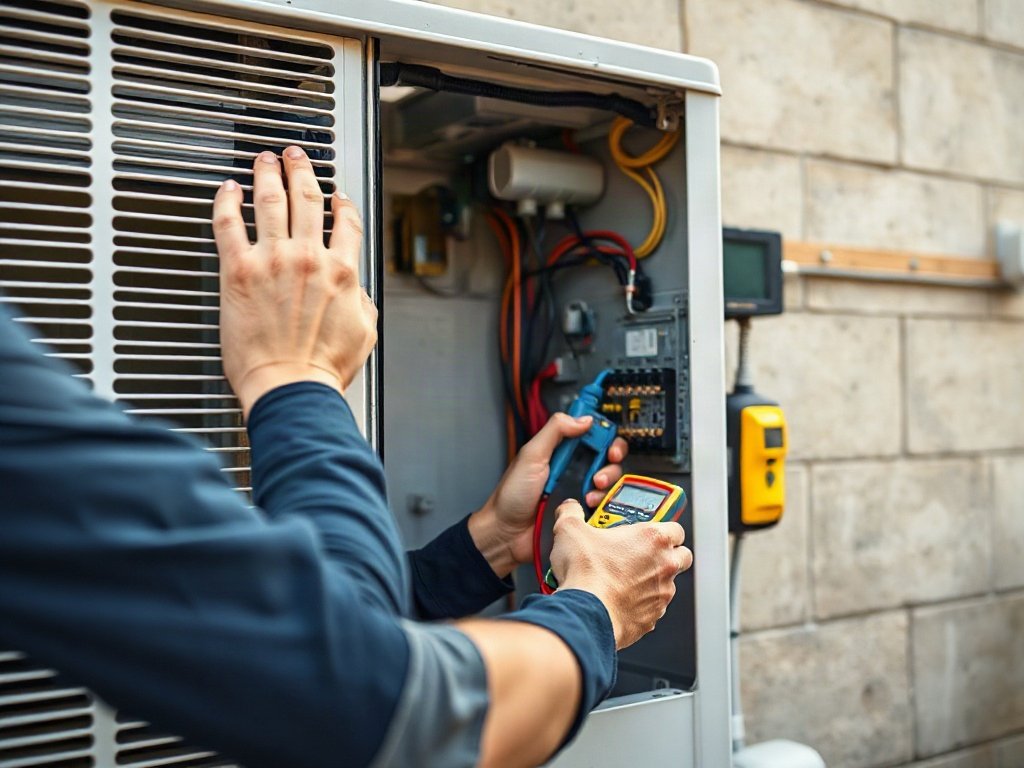
- Loose or Damaged Wiring: If the electrical connections are loose, the current may create a buzzing sound as it struggles to maintain a steady flow.
- Faulty Capacitor: The capacitor helps to start the compressor and fan motor. If it’s damaged, it can cause a buzzing noise and may lead to complete failure.
Mechanical Problems
Mechanical issues can also cause your air conditioning unit to buzz:
- Compressor Malfunction: A failing compressor can produce a buzzing sound. This could indicate that the compressor is overheating or is about to fail.
- Fan Blade Obstruction: If the fan blades are obstructed by debris or are damaged, they may create a buzzing sound as they struggle to rotate.
Refrigerant Issues
Low refrigerant levels can also lead to buzzing noises:

- Refrigerant Leaks: If there is a leak in the refrigerant line, it can cause the compressor to buzz as it works harder to maintain the desired temperature.
External Factors
Sometimes, the buzzing noise may not even be from your unit:
- Nearby Equipment: Other machinery or electrical equipment nearby could be the source of the buzzing sound, leading to confusion about the source of the noise.
Troubleshooting Your Air Conditioner
If you hear a buzzing noise from your air conditioning unit, it’s crucial to troubleshoot the issue before it leads to more significant problems.
Step-by-Step Troubleshooting Guide
- Turn Off Your AC: For safety, turn off your air conditioning unit immediately.
- Check the Electrical Connections: Inspect the wiring and connections. Look for any loose wires or signs of damage.
- Examine the Capacitor: If you have some technical knowledge, you can check the capacitor for damage. If you are unsure, it’s best to call a professional.
- Inspect the Fan Blades: Check if the fan blades are obstructed or damaged. Clear any debris and ensure the blades can spin freely.
- Check Refrigerant Levels: If you suspect a refrigerant leak, do not attempt to fix it yourself. Call a technician to inspect the system.
When to Call a Professional
If you’ve gone through the troubleshooting steps and the buzzing noise persists, it’s time to call in a professional HVAC technician. They have the expertise and tools to diagnose and fix complex issues that may be beyond the scope of a DIY approach.
Advantages of Regular Maintenance
Regular maintenance of your air conditioning unit not only helps to prevent buzzing noises but also extends the lifespan of the system and improves energy efficiency. Here are some advantages of maintaining your AC unit:
- Cost Savings: Regular maintenance can help prevent costly repairs down the line.
- Improved Efficiency: A well-maintained unit runs more efficiently, which can lead to lower energy bills.
- Extended Lifespan: Routine check-ups can significantly extend the lifespan of your air conditioning unit.
Common Maintenance Tasks
- Replace Filters Regularly: Dirty filters can restrict airflow, leading to increased strain on your AC.
- Clean Coils: Keeping the condenser and evaporator coils clean helps in transferring heat efficiently.
- Check Thermostat Settings: Ensure your thermostat is functioning correctly for optimal performance.
Risks and Precautions
While troubleshooting and maintaining your air conditioning unit is essential, there are risks involved, especially when it comes to electrical components.
- Electrical Shock: Always turn off power to the unit before attempting any repairs or inspections.
- Incorrect Repairs: Attempting repairs without adequate knowledge can lead to more significant problems and expenses.
Safety Precautions
- Use Protective Gear: If you are inspecting your AC unit, wear gloves and safety goggles.
- Consult Professionals: When in doubt, always consult a professional to avoid risks associated with DIY repairs.
Summary of Key Points
To easily digest the information presented, here’s a summary of the causes, troubleshooting steps, and maintenance tips for your air conditioning unit.
| Issue | Possible Cause | Action Required |
|---|---|---|
| Buzzing Noise | Loose Wiring | Check and tighten connections |
| Faulty Capacitor | Replace capacitor | |
| Fan Blade Obstruction | Clear debris and check for damage | |
| Refrigerant Leak | Call a technician | |
| Nearby Equipment | Identify and isolate the source |
Regular maintenance and prompt attention to unusual sounds can help you avoid costly repairs and ensure your air conditioner operates efficiently.
Frequently Asked Questions (FAQ)
What should I do if my air conditioner is buzzing but still cooling?
If your air conditioner continues to cool while buzzing, it may indicate a minor electrical issue or a problem with the capacitor. However, it is best to turn off the unit and consult a professional to avoid potential damage.
How often should I have my air conditioner serviced?
It is recommended to have your air conditioner serviced at least once a year, ideally before the cooling season begins. Regular maintenance can help identify issues early and keep your system running efficiently.
Can I fix a buzzing air conditioner myself?
While some minor troubleshooting can be done at home, such as checking filters and cleaning coils, it’s advisable to call a professional for electrical or mechanical issues to avoid injury and ensure proper repairs.
See More Articles on Our Website : Why Is My Furnace Blowing Cold Air Instead of Heat?
Conclusion
Understanding why your air conditioner is making a buzzing noise is crucial for maintaining a comfortable home environment and managing your finances effectively. By identifying and addressing the underlying issues, you can save on energy costs and avoid unexpected repair bills. Regular maintenance is key to ensuring your air conditioning unit runs smoothly year after year. If you’ve had experiences with buzzing noises in your AC, share your thoughts and solutions in the comments below! Your input could help someone else facing the same issue.

Ana Sabrina Viana is the creator and author of the blog *Fix My Home & Garden*, where she shares practical tips, inspiration, and solutions for home and garden maintenance, organization, décor, and care. Passionate about creating functional and welcoming environments, she produces content that helps readers transform their spaces in simple, accessible, and creative ways.