
How Do You Choose the Right Paint Finish for Kitchen Walls?
Choosing the right paint finish for your kitchen walls is not just a matter of aesthetics; it significantly impacts the functionality and longevity of your kitchen’s appearance. For many homeowners, the kitchen is the heart of the home, a place where family gatherings, culinary adventures, and daily routines converge. Therefore, understanding how to select the ideal paint finish can help you create a space that is not only beautiful but also practical and easy to maintain.
In this comprehensive guide, we will explore the various paint finishes available for kitchen walls, discuss their benefits and drawbacks, and provide you with practical steps to make an informed decision. By the end of this article, you will be equipped with the knowledge to choose a paint finish that complements your kitchen’s design while staying within your budget.
Understanding Paint Finishes
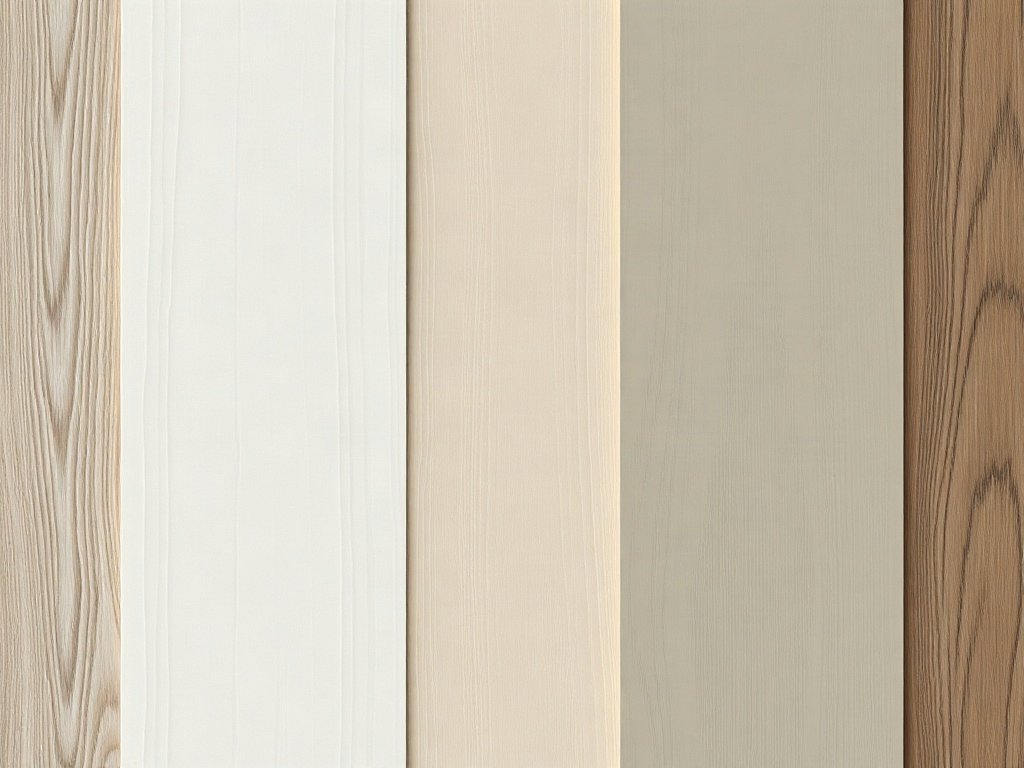
Before diving into the specifics of kitchen wall finishes, it’s essential to understand what paint finishes are and how they differ. Paint finishes refer to the sheen or gloss level of the paint, which can range from matte to high gloss. Each finish has unique characteristics that affect not only the appearance but also the durability and maintenance of the painted surface.
Types of Paint Finishes
Matte Finish: This finish has no shine and is excellent for hiding imperfections on walls. However, it is less durable and can be challenging to clean.
Eggshell Finish: Slightly more reflective than matte, eggshell finishes offer a soft sheen and are more washable. They are suitable for low-traffic areas in the kitchen.
Satin Finish: This finish provides a soft sheen and is highly durable and easy to clean, making it a popular choice for kitchens.
Semi-Gloss Finish: With a noticeable shine, semi-gloss finishes are highly resistant to moisture and easy to wipe down, making them ideal for kitchens.
Gloss Finish: The shiniest option, gloss finishes are incredibly durable and resistant to stains and moisture; however, they can highlight imperfections on the wall.
Understanding these finishes allows you to weigh the pros and cons based on your kitchen’s specific needs.
Practical Considerations for Kitchen Walls
When selecting a paint finish for your kitchen, several factors come into play. Each of these considerations can affect not only your satisfaction with the final look but also your long-term maintenance and cleaning routine.
1. The Kitchen’s Functionality
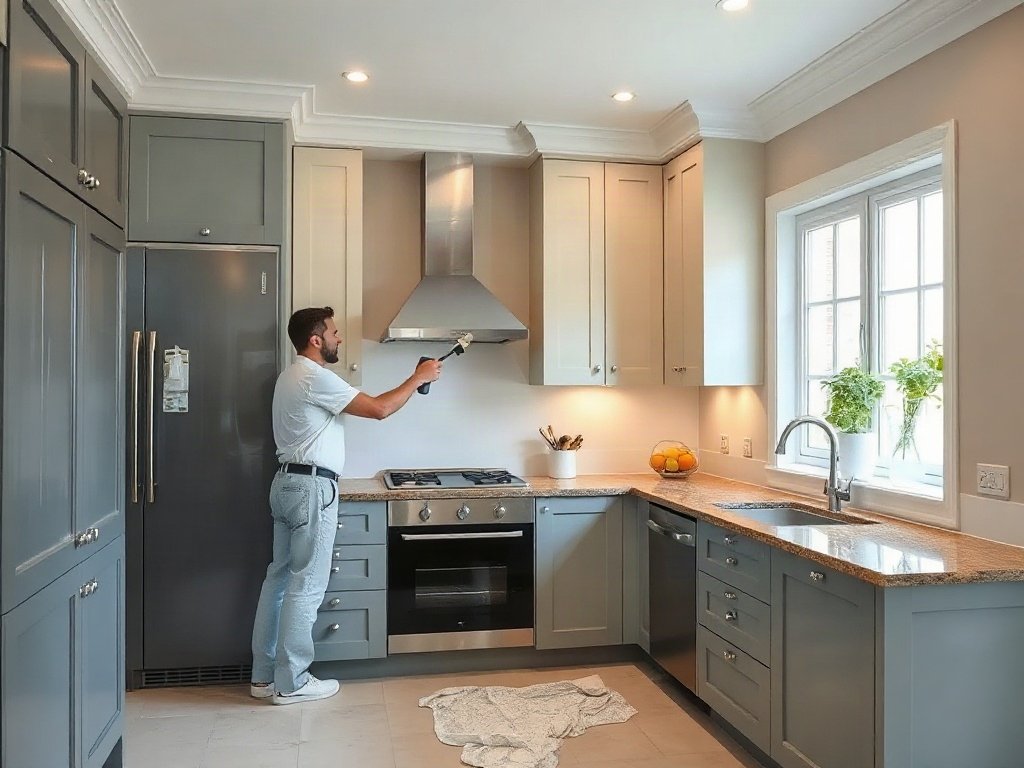
Your kitchen’s primary function will heavily influence your choice of paint finish. If you often cook and entertain, you may want a finish that can withstand splatters and stains. For example, a satin or semi-gloss finish would be more appropriate than a matte finish in a high-traffic kitchen.
2. Lighting Conditions
The amount of natural and artificial light in your kitchen can also impact how a paint finish appears. Gloss and semi-gloss finishes reflect light, making them ideal for darker kitchens as they can brighten up the space. Conversely, in well-lit kitchens, a matte or eggshell finish can create a warm, inviting atmosphere without being overly reflective.
3. Design Aesthetics
Your personal style and the overall design of your home should guide your choice of paint finish. If your kitchen features modern appliances and sleek cabinetry, a glossy finish might enhance that contemporary look. On the other hand, a rustic kitchen may benefit from the warmth of a matte or eggshell finish.

4. Maintenance and Cleaning
Finally, consider how much time and effort you are willing to invest in cleaning and maintaining your kitchen walls. High-gloss finishes can be wiped clean easily, while matte finishes may require more care to avoid staining. If you have children or pets, opting for a more durable finish could save you time and hassle in the long run.
Step-by-Step Guide to Choosing the Right Paint Finish
Now that you understand the various factors to consider, let’s break down a practical step-by-step guide to help you choose the right paint finish for your kitchen walls.
Step 1: Assess Your Kitchen’s Needs
Take a moment to evaluate how your kitchen is used. Are there frequent spills or splatters? Is it a space where children or pets roam? Understanding the daily activities in your kitchen will help you prioritize durability and cleanability in your paint choice.
Step 2: Consider Your Aesthetic Goals
Determine the look and feel you want to achieve. Do you prefer a modern, sleek appearance or a cozy, traditional vibe? Collect inspiration from design magazines, websites, or social media platforms to visualize how different finishes would work in your space.
Step 3: Test Samples
Purchase small sample pots of various finishes and apply them to your kitchen walls. Observe how each finish looks at different times of the day and under various lighting conditions. This hands-on approach helps you make a more informed decision.
Step 4: Factor in Maintenance
Think about your cleaning habits and how much time you want to dedicate to maintaining your kitchen walls. If you opt for a high-gloss finish, be prepared for the potential need for more regular cleaning to keep it looking its best.
Step 5: Make Your Choice
After considering all the factors and testing samples, make your final decision. Remember, it’s about finding the right balance between aesthetics and practicality.
Advantages and Disadvantages of Popular Paint Finishes
To further clarify your options, here’s a detailed comparison of the most common paint finishes for kitchen walls, highlighting their advantages and disadvantages.
| Paint Finish | Advantages | Disadvantages |
|---|---|---|
| Matte | – Hides imperfections<br>- Warm appearance | – Difficult to clean<br>- Less durable |
| Eggshell | – Soft sheen<br>- More washable | – Not as durable as satin or gloss |
| Satin | – Durable<br>- Easy to clean | – May show imperfections |
| Semi-Gloss | – Highly resistant to moisture<br>- Easy to wipe down | – Can be overly shiny for some tastes |
| Gloss | – Extremely durable<br>- Easy to clean | – Highlights wall imperfections |
By understanding the advantages and disadvantages of each finish, you can make a more confident choice that aligns with your kitchen’s needs and your aesthetic preferences.
Common Mistakes to Avoid
While choosing the right paint finish may seem straightforward, several common mistakes can lead to dissatisfaction with the final outcome. Here are some pitfalls to avoid:
Ignoring the Room’s Functionality: Failing to consider how the space is used can lead to choosing a finish that does not withstand the kitchen’s demands.
Neglecting Lighting Effects: Not testing how the finish looks under different lighting conditions may result in an unexpected appearance once the paint is applied.
Overlooking Maintenance Needs: Choosing a finish that requires more upkeep than you’re willing to provide can lead to frustration in the long run.
By being mindful of these potential missteps, you can ensure that your paint finish choice enhances your kitchen rather than detracts from it.
FAQ
What is the best paint finish for a kitchen?
The best paint finish for a kitchen is typically a satin or semi-gloss finish due to their durability and ease of cleaning. These finishes can withstand moisture and stains, making them ideal for high-traffic areas.
Can I use a matte finish in my kitchen?
While a matte finish can be used in a kitchen, it is not the most practical choice. Matte finishes are less durable and can be difficult to clean, which may not be ideal for areas prone to spills and splatters.
How often should I repaint my kitchen walls?
Typically, kitchen walls should be repainted every 5 to 7 years, depending on the amount of wear and tear they experience. Areas with high moisture or frequent cooking may require more frequent touch-ups or repainting.
See More Articles on Our Website :How Do You Choose the Right Paint Finish for Kitchen Walls?
Conclusion
Selecting the right paint finish for your kitchen walls is a critical aspect of your interior design that goes beyond mere aesthetics. By understanding the different types of finishes, assessing your kitchen’s needs, and considering your maintenance preferences, you can make an informed decision that enhances your space.
Remember, the kitchen is not only a place for cooking but also a gathering spot for family and friends. By choosing the right finish, you can create an environment that is both beautiful and functional.
What type of finish are you considering for your kitchen walls? Share your thoughts in the comments below, and let’s discuss your options!

Ana Sabrina Viana is the creator and author of the blog *Fix My Home & Garden*, where she shares practical tips, inspiration, and solutions for home and garden maintenance, organization, décor, and care. Passionate about creating functional and welcoming environments, she produces content that helps readers transform their spaces in simple, accessible, and creative ways.