
How Do You Choose the Right Paint Finish for Kitchen Walls?
Choosing the right paint finish for your kitchen walls is a crucial decision that can significantly impact the aesthetics and functionality of this essential space in your home. With various options available, it’s important to understand how different finishes can affect the overall look and maintenance of your kitchen. In this comprehensive guide, we will explore the different types of paint finishes, their pros and cons, and provide practical advice on how to select the best one for your kitchen walls.
By the end of this article, you will have a clearer understanding of how to choose the right paint finish that aligns with your style and practical needs, allowing you to enhance your home while being mindful of your financial investment.
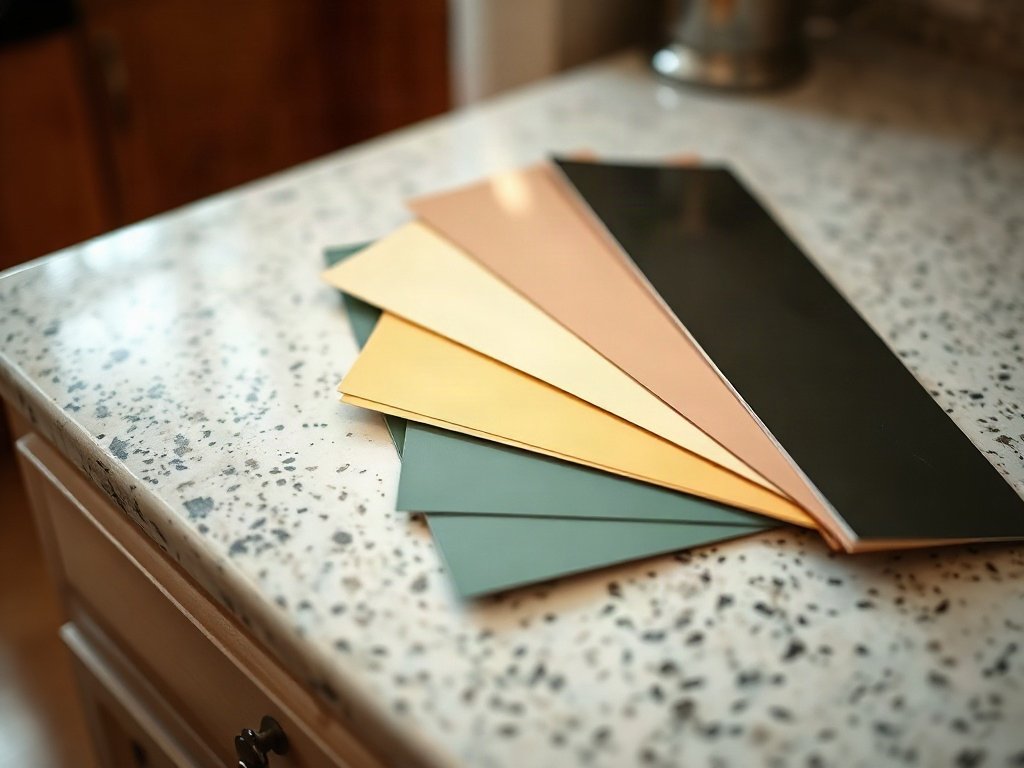
Understanding Paint Finishes
Before diving into the specifics of choosing the right paint finish for your kitchen walls, it’s essential to understand what paint finishes are and how they differ from one another. A paint finish refers to the sheen or gloss level of the paint once it has dried. This characteristic affects not only the appearance of your walls but also their durability and ease of cleaning.
Types of Paint Finishes
Here are the most common types of paint finishes you will encounter when selecting paint for your kitchen walls:
Flat (Matte) Finish:
- Characteristics: Non-reflective surface, soft appearance.
- Pros: Hides wall imperfections and is easy to apply.
- Cons: Not washable and shows stains easily.
Eggshell Finish:
- Characteristics: Slight sheen, similar to the surface of an eggshell.
- Pros: More durable than flat finish, washable, and hides imperfections reasonably well.
- Cons: Can still show wear over time, especially in high-traffic areas.
Satin Finish:
- Characteristics: Smooth and slightly glossy.
- Pros: Durable, easy to clean, and works well in humid environments, making it ideal for kitchens.
- Cons: Can highlight wall imperfections if not applied correctly.
Semi-Gloss Finish:
- Characteristics: Reflective and shiny.
- Pros: Highly durable, easy to clean, and resistant to moisture, making it perfect for kitchen walls and trims.
- Cons: Can be challenging to apply evenly and might show imperfections.
High-Gloss Finish:
- Characteristics: Very shiny and reflective surface.
- Pros: Extremely durable and easy to clean, ideal for high-moisture areas.
- Cons: Can highlight imperfections and may require careful preparation during application.
How Each Finish Affects Your Kitchen Aesthetic
The finish you choose can dramatically alter the look of your kitchen. For instance, a flat finish may lend a cozy and understated feel, while a high-gloss finish can create a modern and sleek appearance. Understanding how these finishes interact with light in your kitchen can help you make an informed choice.
- Flat finishes absorb light, creating a softer ambiance.
- Glossy finishes reflect light, making spaces appear larger and more open.
By considering the overall style of your kitchen—whether it’s modern, traditional, or rustic—you can select a finish that enhances the design rather than detracting from it.

Practical Steps to Choosing the Right Paint Finish
Selecting the appropriate paint finish for your kitchen walls involves more than just aesthetics. Here’s a step-by-step guide to help you navigate this decision-making process effectively:
Step 1: Assess Your Kitchen’s Traffic and Use
Consider how much traffic your kitchen receives daily. If you have a busy household where spills and splatters are common, opting for a more durable and washable finish, such as satin or semi-gloss, would be wise.
Step 2: Evaluate Lighting Conditions
Take note of your kitchen’s lighting—both natural and artificial. Bright, well-lit kitchens can handle bolder finishes, while darker kitchens might benefit from lighter, more reflective finishes to enhance brightness.
Step 3: Consider Wall Conditions
Inspect your walls for imperfections. If your walls have visible flaws, a flat or eggshell finish may be the best choice to minimize their appearance. For smoother walls, a satin or semi-gloss finish could work beautifully.
Step 4: Choose a Color Palette
The color you choose can also influence the finish. Lighter colors often look best in satin or semi-gloss, while darker colors can work well in eggshell or matte finishes, providing a rich, cozy feel.
Step 5: Test Samples
Before committing, purchase samples of your top finish choices and apply them in small sections on your kitchen walls. Observe how they look at different times of the day under varying lighting conditions.
Advantages and Disadvantages of Different Finishes
Understanding the pros and cons of each finish can further guide your decision. Here’s a concise breakdown of the advantages and disadvantages:
| Finish Type | Advantages | Disadvantages |
|---|---|---|
| Flat | Hides imperfections, easy to apply | Not washable, shows stains easily |
| Eggshell | Washable, hides imperfections well | May wear over time |
| Satin | Easy to clean, durable | Can highlight imperfections |
| Semi-Gloss | Highly durable, moisture-resistant | Challenging to apply evenly |
| High-Gloss | Extremely durable, easy to clean | Highlights imperfections |
Essential Care Tips for Painted Kitchen Walls
Once you’ve selected the right paint finish for your kitchen, it’s essential to know how to care for your painted walls to maintain their beauty and longevity. Here are some practical care tips:
Regular Cleaning: Dust and dirt can accumulate on kitchen walls. Use a damp cloth to wipe them down regularly, especially in areas near the stove and sink.
Spill Management: Deal with spills immediately. For most finishes, a mixture of mild soap and water will suffice. Avoid abrasive cleaners that can damage the paint.
Touch-Ups: Keep some leftover paint for touch-ups. This will help you quickly fix any scratches or marks that occur over time.
Avoid Excessive Scrubbing: While some finishes are washable, excessive scrubbing can wear down the paint. Gentle cleaning is usually sufficient.
Frequently Asked Questions (FAQ)
What is the best paint finish for kitchen walls?
The best paint finish for kitchen walls is typically satin or semi-gloss. These finishes are durable, easy to clean, and resistant to moisture, making them ideal for high-traffic areas like kitchens.
Can I use a flat finish in my kitchen?
While you can use a flat finish in your kitchen, it is not recommended for high-traffic areas due to its inability to withstand washing and cleaning. It is better suited for low-traffic areas.
How do I choose a color for my kitchen paint?
When choosing a color for your kitchen paint, consider the overall theme of your home, the size and lighting of your kitchen, and how the color will complement your kitchen appliances and décor.
See More Articles on Our Website :How Can You Make a Small Kitchen Feel Bigger?
Conclusion
Choosing the right paint finish for your kitchen walls is a fundamental part of creating a functional and beautiful space. By understanding the characteristics of different finishes, assessing your kitchen’s needs, and following the practical steps outlined in this guide, you can make an informed decision that enhances your home’s aesthetic and value.
We invite you to share your thoughts and experiences. What paint finish did you choose for your kitchen, and how did it turn out? Your insights might help someone else facing the same decision.

Ana Sabrina Viana is the creator and author of the blog *Fix My Home & Garden*, where she shares practical tips, inspiration, and solutions for home and garden maintenance, organization, décor, and care. Passionate about creating functional and welcoming environments, she produces content that helps readers transform their spaces in simple, accessible, and creative ways.