
How Do You Reduce Humidity in a House Without an AC?
Humidity can be a persistent and uncomfortable issue in many homes, especially during warmer months. For those who do not have air conditioning, managing indoor humidity is crucial for health, comfort, and even financial well-being. In this guide, we will explore how to reduce humidity in a house without an AC, providing practical tips and insights to enhance your living environment while saving money.
High humidity levels can lead to a variety of problems, including mold growth, dust mites, and discomfort, making it essential to address this issue effectively. In the following sections, we will delve into the causes of humidity, practical methods to control it, and the benefits of maintaining a balanced indoor environment.
Understanding Humidity and Its Effects
Humidity refers to the amount of moisture present in the air. It is crucial to understand that high humidity can cause significant discomfort and health issues. When humidity levels exceed 60%, the air feels heavier, and sweat does not evaporate efficiently, leading to overheating and discomfort.
Why is High Humidity a Concern?
- Mold and Mildew Growth: Excess moisture creates an ideal environment for mold and mildew, which can trigger allergies and respiratory issues.
- Dust Mites: These microscopic pests thrive in humid conditions, exacerbating allergies and asthma.
- Structural Damage: High humidity can lead to wood rot and damage to your home’s structure.
- Unpleasant Odors: A damp environment often leads to musty odors that can linger in your living space.
Identifying Sources of Humidity in Your Home
Before implementing solutions, it is important to identify the sources of humidity in your home. Common culprits include:
- Cooking: Boiling water and cooking can release significant amounts of steam.
- Showers: Hot showers create steam that can raise indoor humidity levels.
- Laundry: Drying clothes indoors can add moisture to the air.
- Poor Ventilation: Areas with inadequate airflow, such as basements and bathrooms, are prone to higher humidity.
Practical Ways to Reduce Humidity in Your House Without an AC
Now that we understand the risks associated with high humidity, let’s explore actionable strategies to reduce it effectively.
1. Improve Ventilation
One of the most effective ways to reduce humidity is by improving ventilation in your home. Here are some practical steps:
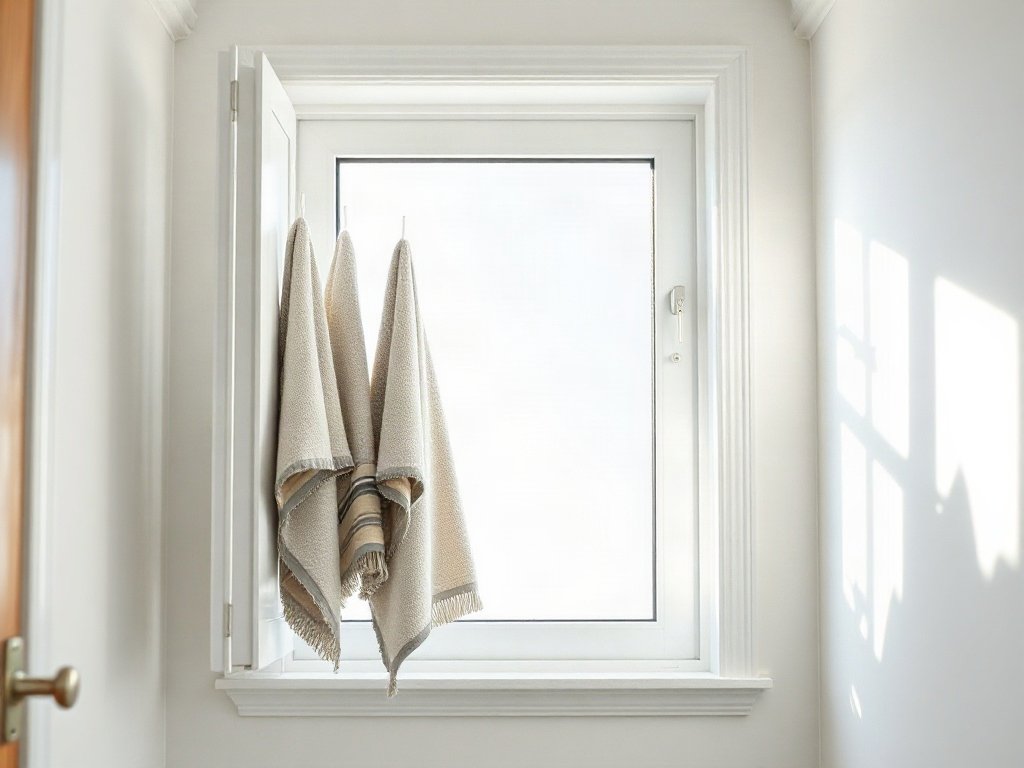
- Open Windows: Whenever possible, open windows to allow fresh air to circulate. Cross-ventilation (opening windows on opposite sides) can be particularly effective.
- Exhaust Fans: Use exhaust fans in kitchens and bathrooms to remove excess moisture. Ensure they vent to the outside.
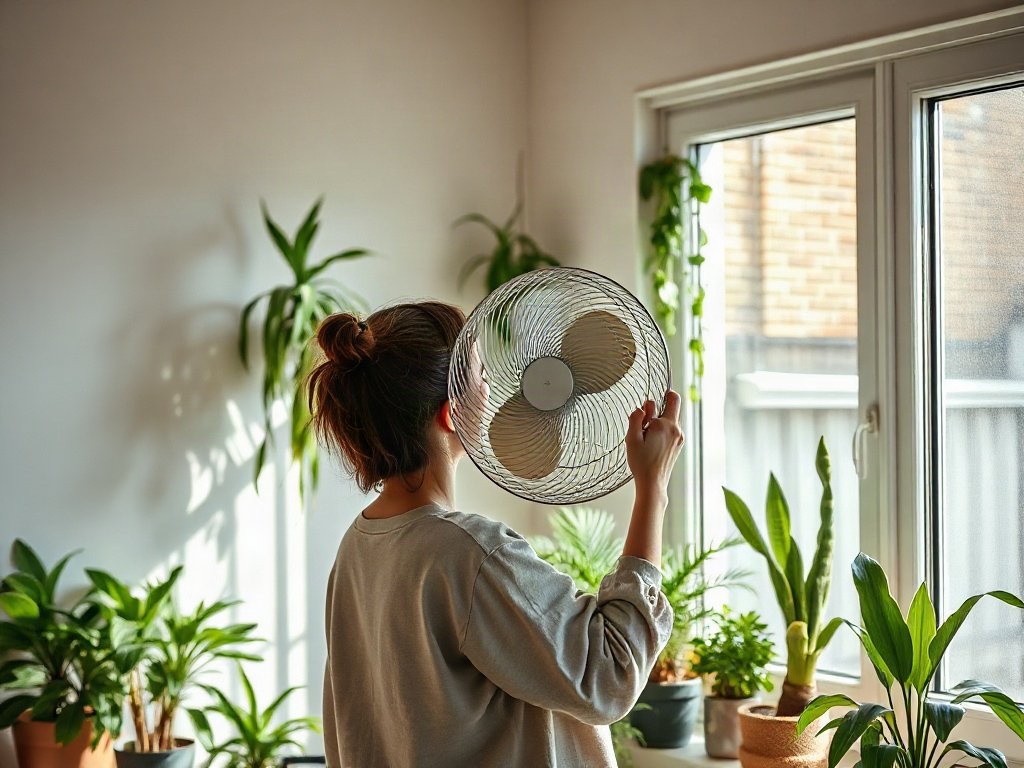
- Natural Airflow: Position fans strategically to promote airflow. For instance, a fan placed near an open window can help draw in drier air.
2. Use Dehumidifiers
If you find that natural ventilation isn’t enough, a dehumidifier can be an excellent investment. These devices pull moisture from the air, helping to maintain a comfortable humidity level. When choosing a dehumidifier, consider:
- Size: Ensure the dehumidifier is suitable for the size of the room.
- Energy Efficiency: Look for ENERGY STAR-rated models to save on electricity costs.
3. Utilize Houseplants
Certain houseplants can assist in absorbing moisture from the air. Some effective plants include:
- Peace Lily: Known for its ability to absorb humidity and purify the air.
- Spider Plant: Helps to lower humidity while adding a touch of greenery.
- Boston Fern: Effective in absorbing moisture but requires consistent watering.
Keep in mind that while plants can help, overwatering them can lead to increased humidity, so be cautious.
4. Manage Indoor Activities
Adjusting your daily habits can significantly impact indoor humidity levels. Here are some changes you can make:
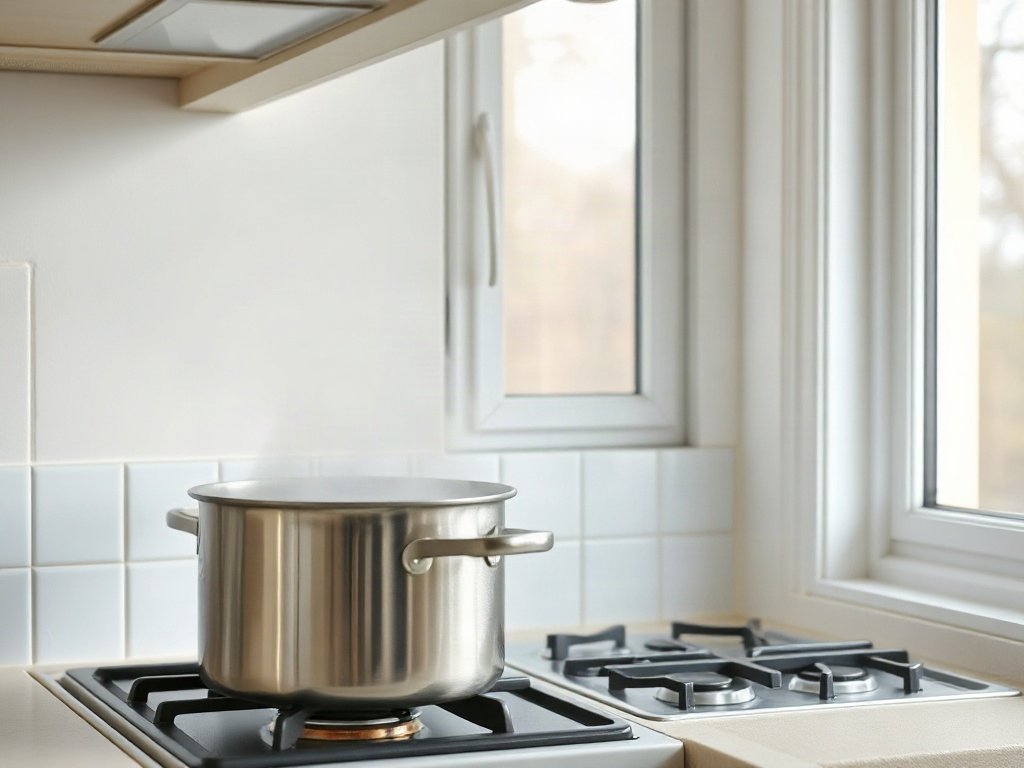
- Cooking with Lids: When boiling water, cover pots to minimize steam release.
- Shorter Showers: Taking shorter, cooler showers can reduce the amount of steam generated.
- Dry Clothes Outside: Whenever possible, dry clothes outside instead of indoors to minimize moisture accumulation.
5. Insulation and Sealing
Proper insulation and sealing can help maintain a stable indoor environment. Consider the following:
- Seal Drafts: Use caulk or weather stripping to seal windows and doors, preventing humid air from entering your home.
- Insulate Attics and Basements: Proper insulation can help regulate temperature and humidity levels.
6. Use Absorbent Materials
Certain materials can help absorb excess moisture in your home:
- Baking Soda: Place bowls of baking soda in areas prone to humidity; it naturally absorbs moisture.
- Rock Salt: Similar to baking soda, rock salt can be placed in a container to draw moisture from the air.
7. Monitor Humidity Levels
Investing in a hygrometer can be helpful for monitoring indoor humidity levels. Aim to maintain humidity levels between 30-50%. This tool can guide you in implementing the right strategies to keep humidity in check.
8. Utilize Air Conditioning Alternatives
If you are looking for alternatives to traditional air conditioning, consider evaporative coolers or swamp coolers. These devices use water evaporation to cool the air and can also help reduce humidity in dry climates.
Benefits of Reducing Humidity
Maintaining optimal humidity levels not only enhances comfort but also provides several financial and health benefits:
- Improved Health: Reducing humidity can mitigate allergy symptoms and improve overall respiratory health.
- Lower Energy Bills: By managing humidity effectively, you may reduce the need for air conditioning, leading to lower energy costs.
- Increased Home Longevity: Controlling humidity can prevent structural damage and preserve your home’s integrity.
Considerations and Risks
While implementing these strategies, it’s important to be aware of potential risks:
- Over-Drying: Excessively low humidity can lead to dry skin, respiratory issues, and damage to wooden furniture.
- Cost of Dehumidifiers: While useful, dehumidifiers can incur upfront costs and ongoing energy expenses. Evaluate if this investment makes sense for your situation.
Comparison of Humidity Control Methods
Here’s a quick comparison of various humidity control methods:
| Method | Effectiveness | Cost | Maintenance |
|---|---|---|---|
| Open Windows | Moderate | Low | Low |
| Exhaust Fans | High | Moderate | Low |
| Dehumidifiers | High | Moderate-High | Moderate |
| Houseplants | Moderate | Low | Low |
| Baking Soda/Rock Salt | Low | Very Low | None |
Frequently Asked Questions (FAQ)
What is the ideal indoor humidity level?
The ideal indoor humidity level is between 30% and 50%. This range promotes comfort and minimizes potential health risks associated with high humidity.
Can I use a fan to reduce humidity?
While fans do not directly reduce humidity, they help circulate air, which can aid in the evaporation of moisture and improve comfort levels.
How do I know if my home is too humid?
Signs of excessive humidity include condensation on windows, a musty smell, and the presence of mold or mildew. A hygrometer can also provide accurate readings of humidity levels.
See More Articles on Our Website :Why Does My Bathroom Ceiling Develop Mold?
Conclusion
Reducing humidity in your home without air conditioning is entirely possible and can lead to a more comfortable, healthier living environment. By implementing the strategies outlined in this guide, you can effectively manage moisture levels, safeguard your health, and save money on energy costs.
What are your thoughts on these methods? Have you tried any of them in your home? Share your experiences in the comments below!

Ana Sabrina Viana is the creator and author of the blog *Fix My Home & Garden*, where she shares practical tips, inspiration, and solutions for home and garden maintenance, organization, décor, and care. Passionate about creating functional and welcoming environments, she produces content that helps readers transform their spaces in simple, accessible, and creative ways.