
Why Does My Closet Smell Musty Even When It’s Dry?
Have you ever opened your closet only to be greeted by a musty smell that lingers despite the fact that everything appears dry? This common issue can be frustrating, especially for those looking to maintain a clean and organized space. Understanding the reasons behind this unpleasant odor and how to eliminate it can not only enhance your living environment but also save you money in the long run by protecting your clothing and belongings. In this comprehensive guide, we will explore the causes of musty odors in closets, practical solutions to eliminate them, and tips for effective closet maintenance.
Understanding Musty Odors: What Causes the Smell?
Musty smells are typically associated with dampness and mold, but there are several reasons why your closet might develop this odor even when it seems dry.

Common Causes of Musty Odors
Humidity Levels: High humidity can lead to moisture accumulation, creating an ideal environment for mold and mildew to thrive. Even if your closet feels dry, if the humidity levels are high, odors can develop.
Poor Ventilation: Closets often lack airflow, which can trap moisture and odors. Without proper ventilation, stale air can contribute to mustiness.
Clothing and Fabrics: Items stored in your closet, especially if they are made from natural fibers like cotton or wool, can absorb moisture from the air. This absorption can lead to mold growth and subsequent odors.
Storage Conditions: If items are stored in plastic bins or bags without breathing room, moisture can get trapped, leading to musty smells.
Cleaning Products and Chemicals: Sometimes, the cleaning products used may contribute to unpleasant odors. If they do not evaporate completely, they can mix with other elements in the closet and create a musty scent.
Understanding these causes can help you address the problem effectively. By pinpointing the source, you can implement the appropriate solutions to ensure your closet remains fresh and odor-free.
Practical Steps to Eliminate Musty Odors
Now that we’ve identified the causes, let’s look at some effective strategies to eliminate musty odors from your closet.
Step 1: Assess the Humidity Levels
Before taking further action, it’s essential to check the humidity levels in your closet. High humidity can lead to mold and mildew, so aim for a humidity level of between 30% and 50%.
Using a Hygrometer: Invest in a hygrometer to monitor the humidity levels in your closet. This small device can be purchased for a reasonable price and will help you maintain optimal conditions.
Dehumidifiers: If your closet tends to be consistently humid, consider using a small dehumidifier. These devices help to remove excess moisture from the air, creating an environment less conducive to musty smells.
Step 2: Improve Ventilation
Proper airflow is crucial in eliminating musty odors. Here are some ways to enhance ventilation in your closet:

Leave Doors Open: Whenever possible, keep your closet doors open to allow air to circulate. This simple step can significantly reduce moisture build-up.
Use Ventilated Storage: Opt for storage solutions that allow airflow, such as wire shelving or fabric bins. Avoid using airtight containers that trap moisture.
Install an Exhaust Fan: If feasible, consider installing a small exhaust fan in the closet to promote air circulation.
Step 3: Clean and Organize Your Closet
A thorough cleaning can do wonders for eliminating musty odors:
Empty Your Closet: Start by removing everything from your closet. This allows you to clean all surfaces and assess each item.
Wash Fabrics: Launder any clothing, curtains, or fabric storage options that may have absorbed odors. Use a mixture of vinegar and baking soda in your wash cycle to help neutralize odors.
Wipe Down Surfaces: Use a mixture of water and vinegar to wipe down shelves and walls. This solution can help kill mold spores and remove lingering smells.
Organize Your Items: After cleaning, organize your items. Keep similar items together and ensure that everything is dry before placing it back in the closet.
Step 4: Use Natural Odor Absorbers
Incorporating natural odor absorbers can help keep your closet smelling fresh:
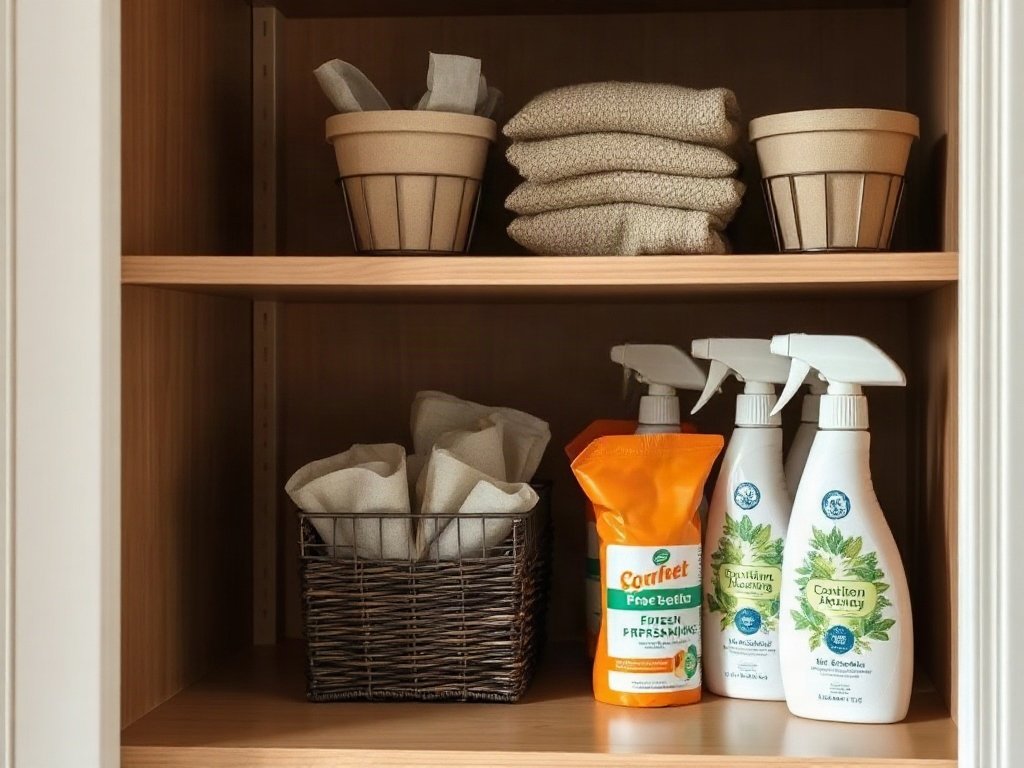
Baking Soda: Place open containers of baking soda in your closet. Baking soda is a natural odor absorber that can help neutralize musty smells.
Activated Charcoal: Similar to baking soda, activated charcoal can absorb odors effectively. Place small sachets in your closet to combat mustiness.
Essential Oils: Use cotton balls soaked in essential oils (like lavender or tea tree) to freshen the air. These oils not only smell great but also have antibacterial properties.
Step 5: Regular Maintenance
Regular maintenance is vital to keeping your closet odor-free:
Regular Cleaning Schedule: Establish a cleaning schedule for your closet. Aim to clean and organize at least once every season.
Check for Leaks: Regularly inspect the area around your closet for any signs of leaks or dampness. Address any plumbing issues promptly.
Monitor Humidity Levels: Keep an eye on humidity levels in the surrounding environment and adjust your dehumidifier or ventilation strategies as necessary.
Step 6: Consider Professional Help
If the musty smell persists despite your efforts, it might be time to seek professional assistance. Mold remediation specialists can identify hidden mold and provide solutions to eliminate it effectively. This step is crucial if you suspect that mold may pose health risks or if the smell is overwhelming.
Advantages and Risks of Closet Maintenance
Maintaining a fresh-smelling closet comes with numerous benefits, but it’s also essential to be aware of potential challenges.
Advantages
Protects Your Clothing: Regularly addressing odors helps prevent mold damage, extending the life of your clothes and fabrics.
Improved Air Quality: A well-ventilated and odor-free closet contributes to better overall air quality in your home.
Enhanced Organization: Keeping your closet clean and organized makes it easier to find items, saving you time and reducing stress.
Risks and Considerations
Mold Exposure: If not addressed promptly, mold can pose health risks, particularly for individuals with allergies or respiratory issues.
Cost of Professional Services: Hiring professionals for mold remediation can be expensive, making it essential to address odor issues early.
Chemical Exposure: Be cautious when using chemical cleaning products, as some may contain harsh ingredients that can be harmful if inhaled.
By weighing the advantages and risks, you can make informed decisions about how to proceed with your closet maintenance.
Summary Table: Effective Strategies for Removing Musty Odors
| Strategy | Description | Pros | Cons |
|---|---|---|---|
| Assess Humidity Levels | Use a hygrometer to monitor humidity. | Helps maintain optimal conditions. | Requires initial investment. |
| Improve Ventilation | Keep doors open and use ventilated storage. | Enhances airflow. | May not be feasible in all spaces. |
| Clean and Organize | Regularly clean and organize closet items. | Protects clothing. | Time-consuming. |
| Use Natural Absorbers | Utilize baking soda and charcoal. | Non-toxic and effective. | Requires periodic replacement. |
| Regular Maintenance | Establish a cleaning schedule and check for leaks. | Prevents recurring issues. | Can be overlooked. |
Frequently Asked Questions
What should I do if I notice mold in my closet?
If you find mold, remove affected items immediately and clean the area with a mixture of vinegar and water. If the mold persists or is extensive, consider hiring a professional mold remediation service.
Can I use chemical cleaners to eliminate musty smells?
While chemical cleaners can be effective, they may also introduce harmful substances into your home. Opt for natural solutions whenever possible to maintain a healthier environment.
How often should I clean my closet?
Aim to clean and organize your closet at least once every three months. Seasonal cleaning not only keeps odors at bay but also ensures that your items remain in good condition.
See More Articles on Our Website :How Can You Reduce Condensation on Windows in Winter?
Conclusion
A musty-smelling closet can be a nuisance, but with the right strategies and consistent maintenance, you can create a fresh and inviting space. By understanding the causes of musty odors and implementing practical solutions, you can protect your belongings and improve your home environment. Embrace the process of closet maintenance as a step toward better organization and a healthier lifestyle.
What strategies have you tried to eliminate musty odors from your closet? Share your experiences in the comments below!

Ana Sabrina Viana is the creator and author of the blog *Fix My Home & Garden*, where she shares practical tips, inspiration, and solutions for home and garden maintenance, organization, décor, and care. Passionate about creating functional and welcoming environments, she produces content that helps readers transform their spaces in simple, accessible, and creative ways.