
How Can You Prevent Mold From Returning in the Bathroom?
Mold is a common and persistent issue in bathrooms, often arising from excessive moisture and inadequate ventilation. Not only is mold unsightly, but it can also pose significant health risks, particularly for individuals with respiratory issues or allergies. This guide will provide you with practical strategies to prevent mold from returning in your bathroom, ensuring a healthier living environment and saving you money on potential repairs in the long run.
Understanding Mold and Its Causes
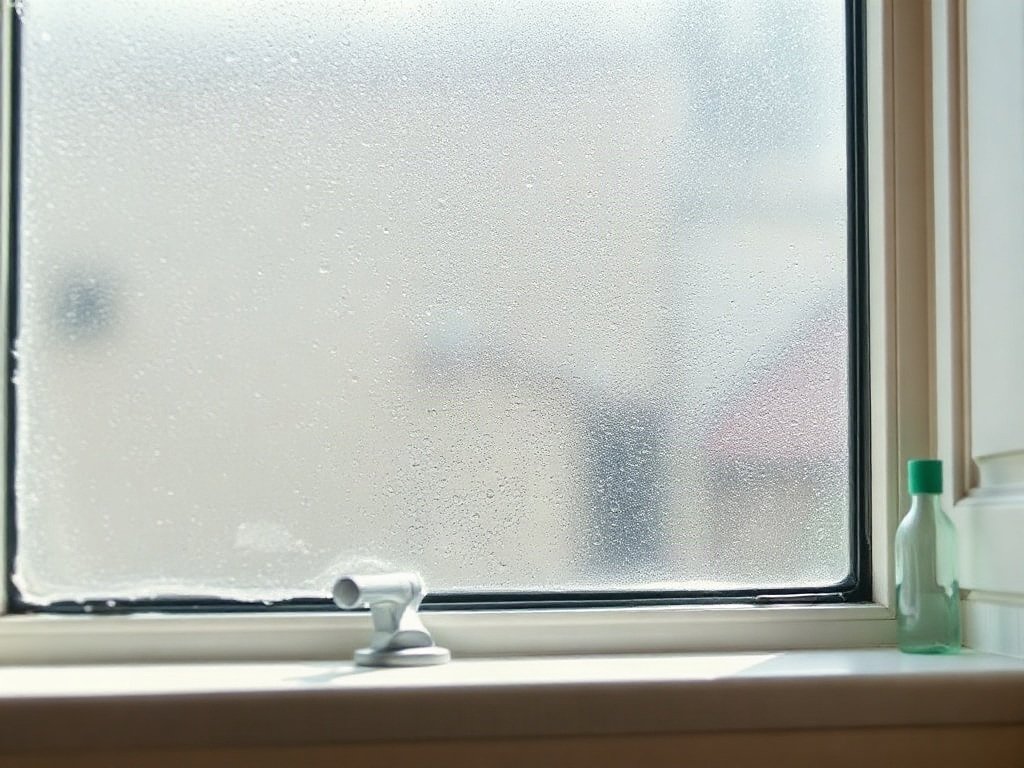
Mold is a type of fungus that thrives in damp, warm environments. In bathrooms, it often appears in areas such as tiles, grout lines, and behind fixtures due to the high humidity levels caused by showers and baths. Understanding the conditions that foster mold growth is the first step in effective prevention.
What is Mold?
Mold consists of tiny spores that can be airborne or found on various surfaces. When these spores land on a damp surface, they begin to grow, forming colonies. Common types of mold found in bathrooms include:
- Cladosporium: Typically black or green, this mold often grows on wet surfaces.
- Aspergillus: This mold can appear in various colors and is known for its rapid growth.
- Penicillium: Often blue or green, it thrives in damp areas and can cause respiratory problems.
Factors Contributing to Mold Growth
Several factors contribute to mold growth in bathrooms:
- High Humidity: Bathrooms often experience high humidity levels due to showers and baths.
- Poor Ventilation: Lack of airflow allows moisture to accumulate.
- Leaky Fixtures: Dripping faucets and leaky pipes create damp conditions.
- Condensation: Moisture from hot water can condense on surfaces, promoting mold growth.
By recognizing these factors, you can take proactive steps to combat mold.
Practical Steps to Prevent Mold
Preventing mold requires a combination of good practices and regular maintenance. Here’s a step-by-step guide to help you keep your bathroom mold-free.
1. Improve Ventilation
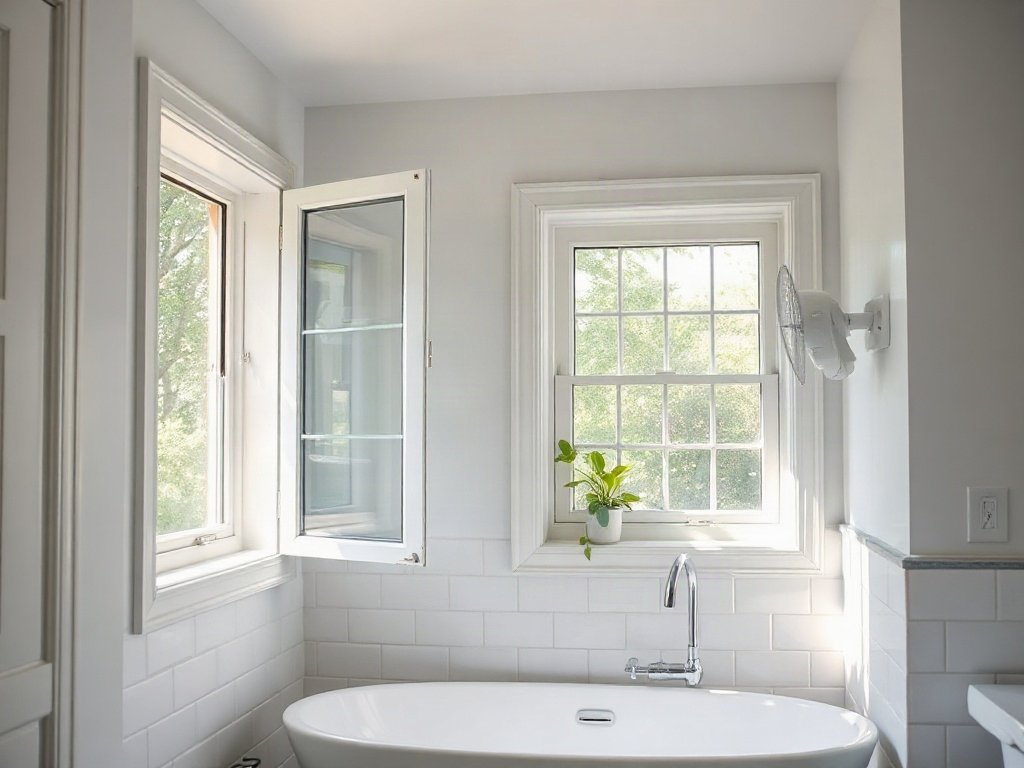
Proper ventilation is crucial in reducing humidity levels. Consider these strategies:
- Open Windows: Whenever possible, open windows during and after showers to allow fresh air to circulate.
- Install Exhaust Fans: If your bathroom lacks a fan, consider installing one. A fan should be powerful enough to exchange the air in the bathroom several times per hour.
- Use Dehumidifiers: In particularly humid climates, a dehumidifier can help maintain optimal humidity levels.
2. Regular Cleaning
Regular cleaning can prevent mold spores from taking hold. Here’s how:
- Use Mold-Resistant Cleaners: Opt for cleaning products specifically designed to combat mold and mildew.
- Scrub Surfaces: Pay extra attention to areas prone to mold, such as grout lines and corners. Use a stiff brush to scrub surfaces regularly.
- Dry Surfaces: After cleaning, ensure that all surfaces are dried thoroughly. Use a towel or squeegee to wipe down wet areas.
3. Manage Moisture
Reducing moisture is key to preventing mold. Here are effective strategies:
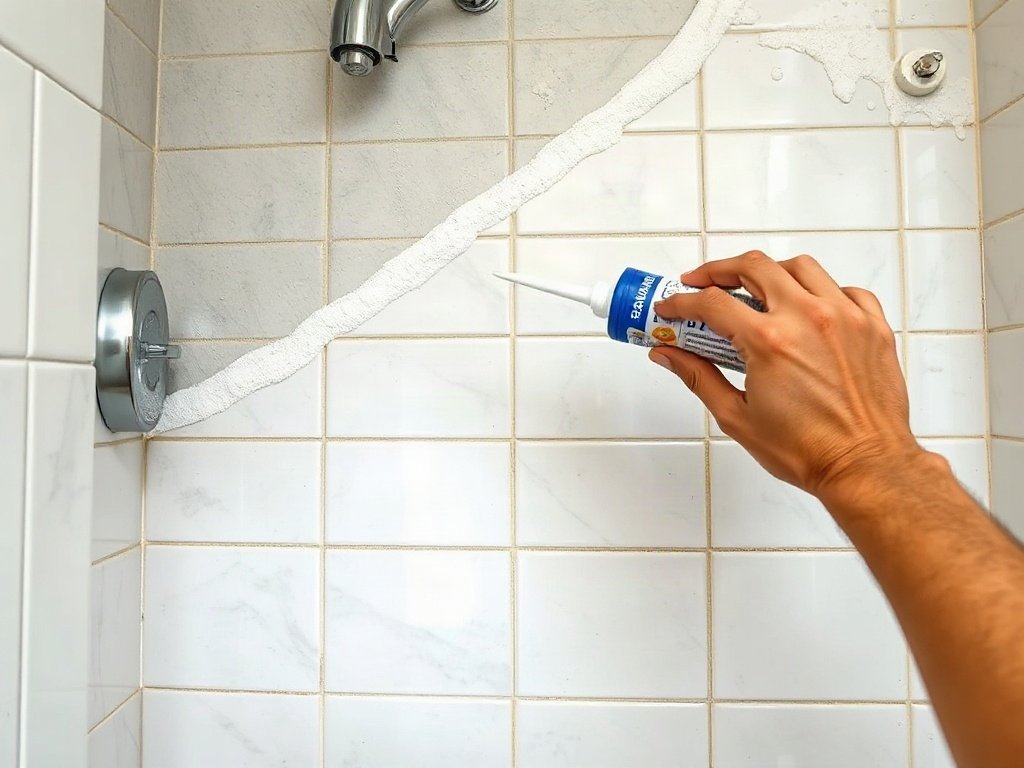
- Seal Grout and Tiles: Apply a mold-resistant sealant to grout and tiles to create a barrier against moisture.
- Fix Leaks Promptly: Address any leaks in faucets, showers, or toilets immediately to prevent prolonged moisture exposure.
- Avoid Carpeting: If possible, avoid carpeting in bathrooms. Opt for washable rugs that can be cleaned frequently.
4. Monitor and Control Humidity
Monitoring humidity levels can help you stay ahead of potential mold issues:
- Use a Hygrometer: This device measures humidity levels. Aim to keep humidity below 50% in your bathroom.
- Adjust Heating and Cooling: Ensure your HVAC system is functioning properly, as it plays a vital role in humidity control.
Advantages of Preventing Mold
Preventing mold in your bathroom has several benefits beyond just aesthetics. Here are some key advantages:
- Healthier Environment: Reducing mold exposure can alleviate respiratory issues and allergies, contributing to overall well-being.
- Cost Savings: By preventing mold, you can avoid costly repairs or professional mold remediation services.
- Increased Property Value: A well-maintained, mold-free bathroom can enhance the value of your home.
Risks and Precautions
While you can take many steps to prevent mold, it’s essential to be aware of the risks associated with mold growth:
- Health Risks: Mold can cause allergic reactions, asthma attacks, and other respiratory issues.
- Structural Damage: Mold can weaken the structure of your home if left untreated, leading to significant repair costs.
- Potential for Recurrence: Even with preventive measures, mold can return if conditions are not adequately managed.
To minimize these risks, maintain a consistent cleaning and maintenance schedule and remain vigilant about moisture management.
Summary of Mold Prevention Strategies
Here’s a summary of essential strategies to prevent mold from returning in your bathroom:
| Strategy | Description |
|---|---|
| Improve Ventilation | Open windows, install exhaust fans, use dehumidifiers. |
| Regular Cleaning | Use mold-resistant cleaners, scrub surfaces, dry areas. |
| Manage Moisture | Seal grout and tiles, fix leaks, avoid carpeting. |
| Monitor Humidity | Use a hygrometer, adjust HVAC settings. |
Frequently Asked Questions (FAQ)
What are the best products to clean mold in the bathroom?
For effective mold cleaning, consider using specialized mold and mildew removers available in stores. Alternatively, a mixture of vinegar and water or baking soda can also be effective for minor mold issues.
How often should I clean my bathroom to prevent mold?
It’s advisable to clean your bathroom at least once a week to prevent mold growth. Pay special attention to areas that accumulate moisture, such as the shower and sink.
Can I prevent mold without using chemicals?
Yes, you can use natural solutions like vinegar, baking soda, and tea tree oil to clean and prevent mold. These alternatives are effective and less harsh on the environment.
See More Articles on Our Website :Why Are My Windows Wet Inside Every Morning?
Conclusion
Preventing mold from returning in your bathroom is not only about maintaining a clean aesthetic; it’s about creating a healthier living environment. By implementing effective strategies such as improving ventilation, managing moisture, and practicing regular cleaning, you can significantly reduce the risk of mold growth. Remember, a proactive approach will save you money and headaches in the long run.
Have you experienced mold issues in your bathroom? What steps have you taken to prevent it? Share your thoughts and experiences in the comments below!

Ana Sabrina Viana is the creator and author of the blog *Fix My Home & Garden*, where she shares practical tips, inspiration, and solutions for home and garden maintenance, organization, décor, and care. Passionate about creating functional and welcoming environments, she produces content that helps readers transform their spaces in simple, accessible, and creative ways.