
Are Peel-and-Stick Backsplash Tiles Worth It?
In recent years, peel-and-stick backsplash tiles have gained immense popularity among homeowners looking to upgrade their kitchens without breaking the bank. If you’re someone who aims to improve your financial situation while enhancing your living space, you might be wondering: are these tiles really worth the investment? This guide will delve into the practicality, advantages, and potential downsides of using peel-and-stick backsplash tiles, equipping you with the necessary insights for making a well-informed decision.
Understanding Peel-and-Stick Backsplash Tiles
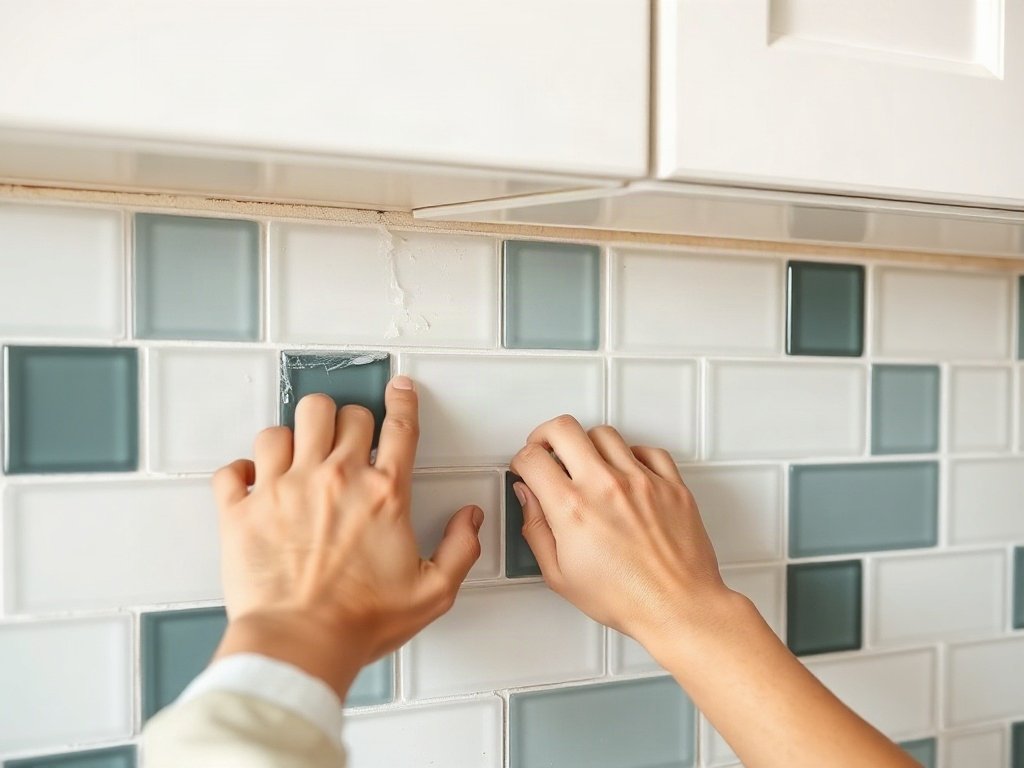
Peel-and-stick backsplash tiles are a type of adhesive tile that can be easily applied to walls, primarily in kitchens and bathrooms. Unlike traditional tiles that require mortar and grout, these tiles come with a sticky backing that allows you to simply peel off a protective layer and stick them directly onto the wall.
How They Work
Material Composition: Most peel-and-stick tiles are made from materials like vinyl, which makes them lightweight and easy to handle. They come in various designs, including ceramic looks, colorful patterns, and even textured finishes.
Installation Process: The installation process is straightforward. After preparing the wall surface, you simply peel off the backing and press the tile onto the wall. This convenience appeals to DIY enthusiasts and those looking to save on labor costs.
Versatility: Available in a wide range of styles and colors, these tiles can complement various kitchen aesthetics, making them a versatile choice for modern and traditional designs alike.
Understanding the basic concept of peel-and-stick backsplash tiles sets the foundation for evaluating their worthiness in your home improvement project.
Pros and Cons of Peel-and-Stick Backsplash Tiles
When considering whether to invest in peel-and-stick backsplash tiles, it’s essential to weigh their advantages against potential drawbacks.
Advantages
- Cost-Effective: Peel-and-stick tiles are generally less expensive than traditional tiles, making them an appealing option for budget-conscious homeowners. You can transform your kitchen without extensive financial commitment.
- Easy Installation: As mentioned earlier, the installation process is user-friendly. This feature allows homeowners to take on the project themselves, saving money on labor costs.
- Variety of Designs: With a plethora of designs available, you can find tiles that match your style, whether you’re aiming for a modern, rustic, or eclectic look.
- Low Maintenance: Most peel-and-stick tiles are easy to clean and require minimal upkeep, which is a notable advantage for busy households.
- Temporary Solution: If you’re renting or prefer not to commit to permanent changes, peel-and-stick tiles offer a temporary solution that can be easily removed or replaced.
Disadvantages
- Durability Concerns: While many peel-and-stick tiles are designed to last, they may not be as durable as traditional tiles, especially in high-traffic areas or spaces exposed to moisture.
- Limited Lifespan: Over time, the adhesive may weaken, causing tiles to peel or warp, particularly in humid environments like kitchens or bathrooms.
- Surface Preparation: For optimal adhesion, the wall surface must be clean and smooth. This requirement can involve additional preparation work.
- Not Heat Resistant: If installed near stoves or ovens, peel-and-stick tiles may not withstand high temperatures, which could lead to damage.
By understanding both the benefits and limitations of peel-and-stick backsplash tiles, you can make a more informed decision tailored to your specific needs and budget.
Practical Steps for Installation
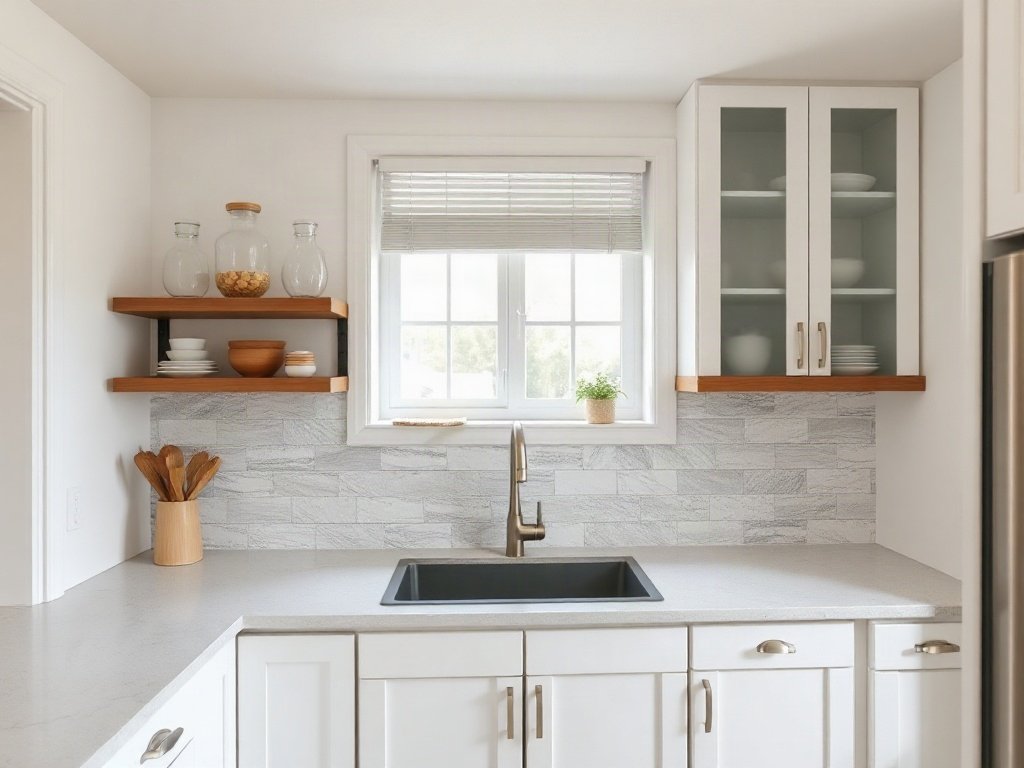
If you decide to go ahead with peel-and-stick backsplash tiles, following a structured installation process can help you achieve the best results.
Step-by-Step Guide
Gather Your Supplies:
- Peel-and-stick backsplash tiles
- Measuring tape
- Level
- Utility knife
- Straight edge or ruler
- Cleaning supplies (soap and water or rubbing alcohol)
Prepare the Wall:
- Clean the wall surface thoroughly to remove grease, dust, and residue. Ensure that the wall is smooth, as rough surfaces can affect adhesion.
Measure and Plan:
- Measure the area where you’ll apply the tiles. Planning helps minimize waste and ensures that the tiles fit well within the space.
Cut Tiles as Needed:
- Use a utility knife and straight edge to cut tiles to fit around outlets, corners, or other obstacles.
Start from the Center or a Corner:
- Depending on your design choice, either start from the center of the wall or a corner. Use a level to ensure the first tile is straight.
Peel and Stick:
- Remove the backing from the tile and press it firmly onto the wall. Use a smoothing tool or your hands to eliminate air bubbles.
Continue the Process:
- Repeat the process, working your way outwards. Ensure that the tiles are aligned properly for a cohesive look.
Finishing Touches:
- After all tiles are installed, consider caulking edges or seams for a polished appearance.
By following this step-by-step guide, you can achieve a professional-looking backsplash without the need for professional installation.
Cost Analysis: Are They Worth It?
When it comes to home improvement, understanding the financial implications is crucial. Let’s break down the costs associated with peel-and-stick backsplash tiles compared to traditional options.

| Aspect | Peel-and-Stick Backsplash Tiles | Traditional Tiles |
|---|---|---|
| Material Cost | $10 – $30 per square foot | $15 – $50 per square foot |
| Installation Cost | DIY (no labor costs) | $5 – $15 per square foot (labor) |
| Durability | Moderate (5-10 years) | High (20+ years) |
| Maintenance | Low | Moderate |
| Installation Time | 1-2 hours for an average kitchen | 1-2 days (including drying time) |
As the table illustrates, while peel-and-stick tiles often have lower upfront costs and can save on labor, their longevity is typically shorter compared to traditional tile options. If you’re living in your home for many years, investing in more durable materials might be more cost-effective in the long run.
Important Considerations Before Buying
Before making your purchase, there are several factors to consider to ensure that peel-and-stick backsplash tiles are the right choice for your home.
Adhesive Quality
Not all peel-and-stick tiles are created equal. Research brands and read reviews to find tiles with strong, reliable adhesive. Low-quality tiles may not adhere properly, leading to issues down the line.
Style Compatibility
Ensure that the style of the tiles matches your existing kitchen design. Consider how the colors and patterns will blend with your cabinetry, countertops, and appliances.
Moisture Levels
If installing in a high-moisture area, such as behind a sink, consider tiles specifically designed for wet environments. Some brands offer waterproof options that can better withstand humidity.
Future Renovations
Think about your long-term plans for the space. If you anticipate renovating the kitchen in the near future, peel-and-stick tiles may be a great temporary solution. However, if you plan to stay in your home for many years, investing in more permanent options might be prudent.
By taking these factors into account, you can make a more informed decision regarding your kitchen renovation.
Frequently Asked Questions (FAQ)
Can I install peel-and-stick tiles over existing tiles?
Yes, you can install peel-and-stick tiles over existing tiles, provided that the surface is clean, smooth, and well-adhered. However, this may affect the final look, so ensure that the existing tiles are not too textured.
How do I clean peel-and-stick backsplash tiles?
To clean peel-and-stick backsplash tiles, use a damp cloth and mild soap. Avoid abrasive cleaners, as they can scratch the surface. Regular maintenance will help keep them looking fresh.
How long do peel-and-stick tiles last?
Peel-and-stick tiles typically last between 5 to 10 years, depending on usage, environmental conditions, and the quality of the tiles. Proper installation and care can extend their lifespan.
See More Articles on Our Website : How Can You Refresh a Kitchen Without Remodeling?
Conclusion
Peel-and-stick backsplash tiles can be a worthwhile investment for those looking to enhance their kitchens without a significant financial commitment. Their ease of installation, diverse designs, and low maintenance make them an attractive option for many homeowners. However, it’s essential to consider the potential downsides, including durability and moisture resistance, before making a decision.
Have you considered using peel-and-stick tiles in your home? Share your thoughts and experiences in the comments below, and let’s continue the conversation about cost-effective home improvements!

Ana Sabrina Viana is the creator and author of the blog *Fix My Home & Garden*, where she shares practical tips, inspiration, and solutions for home and garden maintenance, organization, décor, and care. Passionate about creating functional and welcoming environments, she produces content that helps readers transform their spaces in simple, accessible, and creative ways.